


Wondering how to sell AI art? Yes? You’re at the right place. Here is an ultimate guide for beginners to learn about selling AI art.
Artificial intelligence (AI) has opened the door to a new era of creativity, where artists can collaborate with algorithms to build stunning, original visuals. Whether you’re generating surreal portraits, futuristic landscapes, pattern designs, or photorealistic scenes, AI art has become a legitimate source of income.
Nowadays, many creators are earning thousands of dollars by selling AI art online. You can also do the same, even if you haven’t sold a piece of art in your life.
Creating and selling AI art may seem to require technical expertise. But that’s not true. It’s all about choosing the right platforms to create and sell AI art.
In this guide, we’ll walk you through everything you need to know, including the best sites to create AI art, where to sell, and how to price them.
Table of Contents
What Is AI Art?
AI art (Artificial Intelligence Art) is a visual artwork (images, videos, or even 3D models) that is generated, modified, or enhanced using Generative AI programs.
It’s a digital artwork where the human artist collaborates with the machine. The human provides the concept, and the AI machine creates the visual artwork.
It may seem to be an easy process to create artwork using AI machines or tools. In reality, the best AI artwork is the result of thoughtful prompting, refining, editing, and artistic direction.
The most popular method of creating AI artwork uses text-to-image models. The process is as follows:
- The Prompt (Human Input): The artist describes his imagination to the AI machine using a detailed text description called a prompt.
- Prompt Example: “A photorealistic astronaut riding a white horse on the surface of Mars, cinematic lighting, vaporwave style.”
- The Generative Model (AI Process): The AI machine has been trained on massive datasets of images and their corresponding text descriptions, and uses algorithms to process this request.
- Image Generation: The AI machine generates a new, unique art piece according to the prompt. The artist can refine the image by editing the prompt.
Although the AI machine creates the artwork, the artist plays a vital role in the process. The prompt determines the original idea, concept, and overall aesthetic goals. Moreover, creating effective, specific prompts to guide the AI to the desired result is an artistic skill.
Is It Legal to Sell AI Art?
The legality of selling AI-generated artwork depends on several factors, jurisdiction (country) and the AI tool’s license.
You can legally sell AI art if you don’t violate rules and regulations, especially copyright protection and infringement.
Here are some of the key considerations.
1. Copyright and Human Authorship
In the United States, copyright law requires human authorship. You can’t just claim copyright of any artwork you’ve created using AI tools.
- Purely AI-Generated Art: If a piece of artwork is created by an AI tool in response to a simple text prompt, the U.S. copyright office (USCO) states it is not eligible for copyright protection. These types of artwork are in the public domain, and anyone can use or sell them freely.
- AI-Assisted Art with Human Creativity: If the human (artist) significantly edits, modifies, or arranges the AI-generated elements uniquely and creatively, the human contributions may be eligible for copyright protection. However, the USCO will look for evidence of human authorship through selection, arrangement, or modification of the AI output.
2. The AI Tool’s Terms and Conditions (T&Cs)
Whether you can sell your AI artwork depends on the terms and conditions of the AI tool. Every AI tool has its own set of rules regarding commercial use. For that reason, always check the terms and conditions of the AI tool you use for creating AI artwork.
- Commercial License: Most AI tools grant a commercial license to sell the resulting artwork. However, you can only have this license with paid subscription plans of the AI tool.
- Free Tiers or Trial: Some AI tools offer a free tier or trial for users. And the commercial license is not included.
- Attribution/Licensing: Some tools may require specific attribution or have licensing restrictions.
3. Risk of Copyright Infringement
Even if you create an artwork using an AI tool, it doesn’t mean you can use it freely. You must ensure the artwork itself doesn’t infringe on the rights of others.
- Intellectual Property: You can’t use AI to generate artwork that clearly copies or mimics specific, copyrighted intellectual property like a famous cartoon character, a trademarked brand logo, etc. Even if you create one, you can’t sell this artwork anywhere. Always create original artwork.
- Real People: If your artwork features a recognizable person, you may need a model release to sell it commercially, similar to traditional photography.
Physical Products vs Digital Downloads
You can create artwork using AI tools to sell as digital downloads. It’s the most convenient way to sell AI art. However, the digital download market is crowded, and the competition is fierce. For that reason, you need to focus on physical products.
The most successful creators are using the print-on-demand business model to sell AI art. This is where you use the AI tool to create unique designs, and then sell them on physical products like posters, t-shirts, coffee mugs, etc.
When anyone buys a physical product with your artwork, the company handles the rest—from printing to payment. This is how the print-on-demand business model works.
All you need to do is create high-quality designs using AI tools and sell them on print-on-demand marketplaces.
The Best AI Tools for Creating Art
| AI Tool | Pricing | Accessibility | Best For |
|---|---|---|---|
| Midjourney | Basic ($10/mo), Standard ($30/mo), Pro ($60/mo), Mega ($120/mo) | Discord-based (web/app integration in beta) | Artistic experimentation, concept art, and vibrant illustrations |
| DALL-E 3 (via ChatGPT) | ChatGPT Plus ($20/mo) | Web/mobile via OpenAI’s platform | Photorealistic art, caricatures, and quick ideation |
| Stable Diffusion | Free, Pro ($20/mo), Max ($40/mo) | Web/local install; user-friendly GUIs available | Advanced editing, NSFW/artistic freedom, and high-res outputs |
| Leonardo.ai | Free (150 tokens daily), Apprentice ($12/mo), Artisan ($30/mo), Maestro ($60/mo) | Web-based with mobile support | Game design, illustrations, and iterative workflows |
| Ideogram | Free (10 Credits/week), Basic ($8/mo), Plus ($20/mo), Pro ($60/mo), Team ($30/mo per user) | Web-based | Typography-heavy art, portraits, and viral 3D figurines |
1. Midjourney

Midjourney is a generative artificial intelligence (AI) program that creates high-quality designs from natural language prompts. It’s one of the leading AI image generators, known for its distinct artistic style.
You can create visually stunning, surreal, and cinematic-quality results by typing simple prompts. When you type a description (prompt), the AI tool generates four initial image options. You can fine-tune results using parameters appended to the prompt, such as:
ar(Aspect Ratio)no(Negative Prompting)style(Stylization)
You can upload one or more Image Prompts to influence the style, composition, or even the character’s appearance in the final output. Moreover, users can select a specific area of an already generated image to regenerate or edit while keeping the rest of the image consistent.
| Pricing: Basic ($10/mo), Standard ($30/mo), Pro ($60/mo), Mega ($120/mo) |
| Commercial License: Yes (Only paid subscribers) |
| Accessibility: Discord-based (web/app integration in beta) |
| Best For: Midjourney is a powerful generative AI tool for creating highly artistic and creative visuals, making it popular among artists, designers, and content creators. |
2. DALL-E 3 (via ChatGPT)
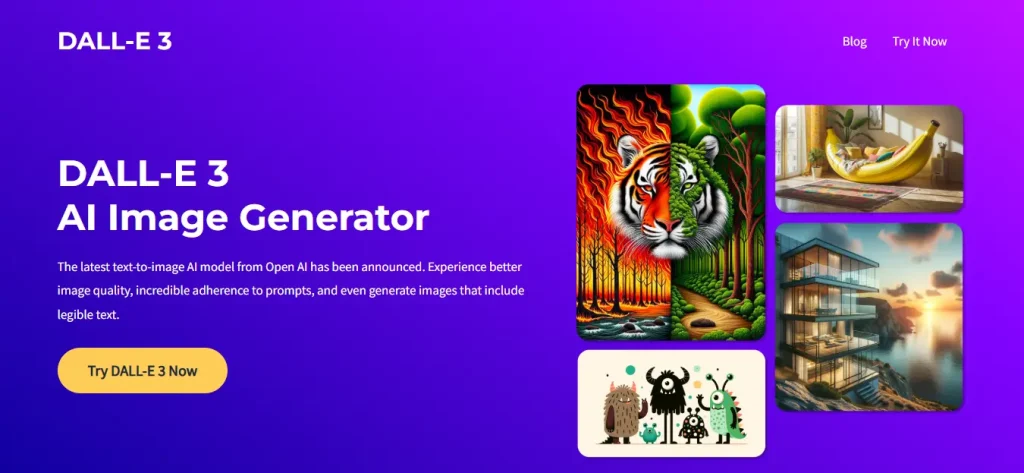
DALL-E 3 is a text-to-image generative AI model developed by OpenAI. It is designed to understand and accurately execute complex, natural-language prompts. You don’t need to master complex “prompt engineering.”
DALL-E 3 is integrated with ChatGPT. For that reason, you can converse with ChatGPT to refine, expand, or brainstorm prompts before the image is generated.
It can produce vivid, detailed, and high-resolution images. Moreover, it can mimic a wide range of artistic styles. One of the best features of this AI tool is that it blocks images that mimic the signature styles of living artists to respect intellectual property rights. So, you don’t need to worry about copyright infringement.
| Pricing: ChatGPT Plus ($20/mo) |
| Commercial License: Yes (free or paid credit/subscription) |
| Accessibility: Web/mobile via OpenAI’s platform |
| Best For: DALL-E 3 is designed to create stunning designs without mastering complex “prompt engineering,” making it a suitable tool for beginners. |
3. Stable Diffusion
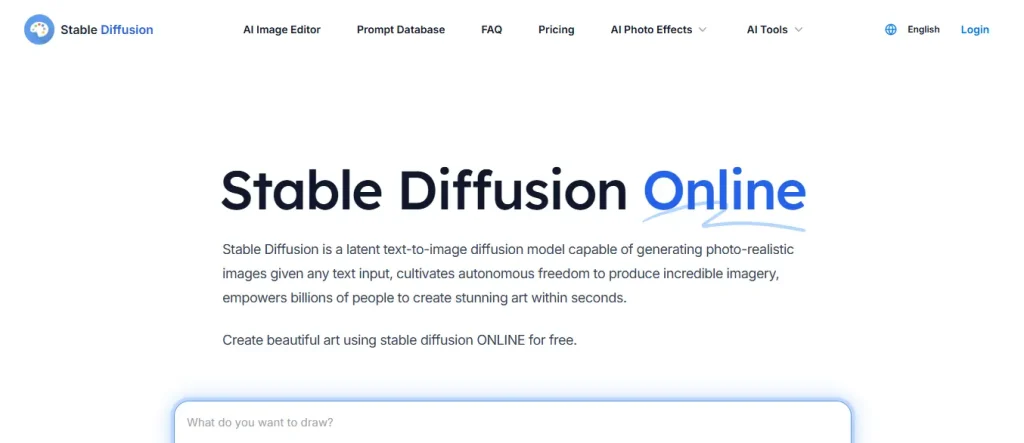
Stable Diffusion is an open-source generative AI model developed by Stability AI. It primarily creates photorealistic or imaginative images from text prompts (a process called text-to-image generation).
This AI model is based on a method called a Latent Diffusion Model (LDM). It’s highly accessible and customizable because of its open-source nature and lower hardware requirements.
There are two methods to generate designs, such as:
- Text-to-Image Generation: It’s the most common method to generate designs, where you input a text prompt (e.g., “A futuristic cityscape at sunset, highly detailed”) and the model generates a design.
- Image-to-Image (Img2Img): You can upload a starting image and a text prompt to guide the model in modifying that image. This method allows sketches or photos to be incorporated into new artistic styles.
| Pricing: Free, Pro ($20/mo), Max ($40/mo) |
| Commercial License: Yes (Free under $1 million revenue per year) |
| Accessibility: Web/mobile via OpenAI’s platform |
| Best For: Stable Diffusion is a great option for artists who prioritize control, customization, and local operation. |
4. Leonardo.Ai

Leonardo.Ai is a commercial generative AI platform designed for creating visual assets like high-quality images, concept art, 3D textures, and short video clips from text prompts.
Leonardo.AI is a dedicated, user-friendly web and mobile application that prioritizes creative control and workflow. It doesn’t operate via chat interfaces like other AI generators.
You can access to a vast library of specialized AI models (e.g., Phoenix, PhotoReal, Leonardo Diffusion XL, Anime XL) optimized for specific styles such as photorealism, cinematic looks, or concept art. Moreover, you can easily switch between them.
The real-time canvas tool can instantly transform rough sketches, lines, or simple drawings into a highly rendered image as you draw or adjust the prompt. Plus, the motion/video generation feature can take a static image (generated or uploaded) and create a short, dynamic video clip, bringing the still image to life.
| Pricing: Free (150 tokens daily), Apprentice ($12/mo), Artisan ($30/mo), Maestro ($60/mo) |
| Commercial License: Yes (Paid tiers only) |
| Accessibility: Web-based with mobile support |
| Best For: Leonardo.Ai is perfect for artists who need high-volume, high-quality visual assets with a high degree of creative and stylistic control. |
5. Ideogram
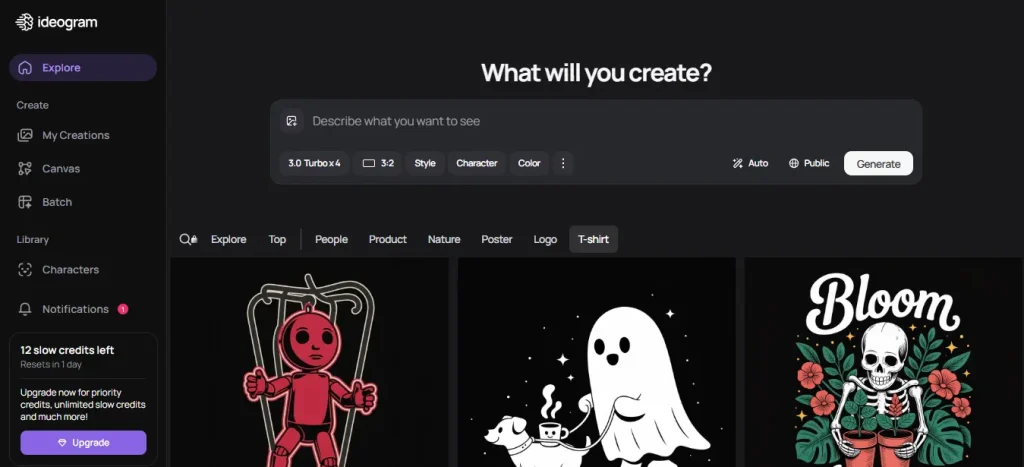
Ideogram is an AI image generation tool that creates high-quality, detailed visuals, including artwork, photos, posters, and logos from simple text prompts.
It operates using deep learning AI models, similar to Midjourney and DALL-E 3. However, it’s particularly known for its superior ability to handle text and typography within images.
The significant strength of this AI tool is its ability to generate images with accurate, legible, and stylish text for logos, banners, posters, and quote graphics.
Another essential feature of this tool is an AI-assisted feature that takes your simple, short prompt and automatically enhances or “beefs it up” with more descriptive details (like lighting cues, artistic styles, and context) to produce more visually rich and creative results.
It provides an integrated editor where you can perform post-generation tweaks like regenerating an image with minor prompt changes.
| Pricing: Free (10 Credits/week), Basic ($8/mo), Plus ($20/mo), Pro ($60/mo), Team ($30/mo per user) |
| Commercial License: Yes (Free/Paid) |
| Accessibility: Web-based |
| Best For: Ideogram is an AI tool for creatives and marketers to generate high-quality images. |
The Best Places to Sell AI Art
Now, you know the best AI tools for creating art. It’s time to sell your AI-generative artwork and make money.
The best places to sell AI art depend on the type of artwork you want to sell. Here are some of the best places to sell AI art, organized by type.
Print-on-Demand Marketplaces
Print-on-demand (POD) is the best and easiest way to sell AI art for beginners. You can sell your AI-generated artwork on a variety of physical products, such as t-shirts, mugs, posters, and hats.
To sell AI art, upload your designs to the POD marketplaces, and they handle everything—from printing to shipping.
Here are some of the best print-on-demand marketplaces to sell AI art.
1. Redbubble
Redbubble is an online marketplace that operates on a print-on-demand business model, connecting independent artists with potential customers worldwide.
To get started, create an account and upload your original artwork, photography, or AI designs to the platform. Later, you can select which of Redbubble’s diverse range of products (like T-shirts, stickers, mugs, phone cases, posters, etc.) you want your design to appear on. You can also adjust the size and placement of the design on each product.
The best part of this marketplace is that it allows you to set your profit margin on top of Redbubble’s base price. After listing the design, Redbubble will handle the rest—from printing to shipping.
| Earning Potential: $50-$1,000+/mo (Varies by sales) |
| Commission: 20% to 50% (Varies by account tiers) |
| AI Policy: Allowed |
2. Zazzle
Zazzle is another major player in the print-on-demand industry. It specializes in creating, customizing, and selling unique, made-to-order physical products.
It operates as a platform that connects three main groups: customers, creators, and manufacturers. It offers a wide range of customizable items, including t-shirts, mugs, phone cases, invitations, stamps, posters, ornaments, and more.
Creators can upload their designs to appear on products and set a profit margin. Once the product sells, Zazzle handles all the manufacturing, inventory, shipping, and customer service. The creator earns a commission.
| Earning Potential: $100-$1,000+/mo (Varies by sales) |
| Commission: None (You set royalty rate) |
| AI Policy: Allowed (Tagging required: generativecontent) |
3. TeePublic
Teepublic is a print-on-demand marketplace that specializes in selling custom apparel and merchandise featuring designs created by independent designers.
You can upload your designs to feature on various products, such as t-shirts, hoodies, stickers, mugs, posters, etc. When customers place an order, TeePublic handles everything from printing to shipping.
The artist on TeePublic earns a flat-rate commission for every product sold, typically $4 for a standard T-shirt sold at the regular price.
| Earning Potential: $4-$9/sale (Varies by products) |
| Commission: Varies |
| AI Policy: Allowed |
4. Society6
Society6 is an online marketplace and print-on-demand platform that allows independent artists to sell their designs on a wide variety of physical products.
You can upload your designs and select which products you want your designs to be displayed on. Society6 provides tools to position and scale the design for everything from wall art to throw pillows.
When a customer places an order, Society6 handles all the logistics—from printing to shipping. Society6 sets a base price for each product and then adds a fixed markup, which becomes the artist’s earnings.
| Earning Potential: 5%-10% Commission (Varies by products) |
| Commission: None |
| AI Policy: Allowed |
Digital Download Marketplaces
Digital download marketplaces allow you to sell digital products like high-resolution images, a bundle of phone wallpapers, or a list of prompts you used.
You can sell your digital products an infinite number of times. Moreover, there is no shipping or inventory, and the profit margins are high.
5. Etsy
Etsy is a global online marketplace specializing in selling handmade and vintage items. It connects independent sellers, artists, and collectors directly with buyers worldwide.
Etsy is the best marketplace to sell your digital AI artwork. It has over 90 million buyers searching for creative artworks.
| Earning Potential: Varies |
| Commission: Listing Fee $0.20 + Transaction Fee 6.5% |
| AI Policy: Allowed (Mandatory AI Disclosure) |
6. Gumroad
Gumroad is an e-commerce platform designed for creators to sell digital products, memberships, and even some physical goods directly to their audience.
Gumroad is beloved by independent artists, writers, musicians, and entrepreneurs for its simplicity and low barrier to entry. The only downside of this platform is that you have to bring your own audience or buyers.
You can sell your AI prompt bundles or high-quality AI-generated art packs.
| Earning Potential: Varies by sales |
| Commission: 10% Platform Fee + 30% Discovery Fee |
| AI Policy: Allowed |
7. Payhip
Payhip is a competitor to Gumroad that allows digital content creators and entrepreneurs to sell a variety of products directly to their audience.
It’s an all-in-one solution to sell digital downloads, courses, and coaching that provides a hosted storefront, handles payment processing, and manages secure product delivery.
It’s beloved by creators for its simplicity, ease of setup, and competitive pricing. It’s the best platform to sell digital products for beginners.
| Earning Potential: Varies by sales |
| Commission: Free (5% Transaction Fee), Plus ($29/mo + 2% Transaction Fee), Pro ($99/mo) |
| AI Policy: Allowed |
8. Creative Fabrica
Creative Fabrica is an online marketplace designed for crafters, designers, and entrepreneurs who work with digital assets.
Independent designers and artists can sell their assets and earn a commission on sales. It’s one of the best places to sell commercial-use graphics like digital stickers.
| Earning Potential: Varies by sales |
| Commission: 25% (Direct Sale/Referral), 50% (Marketplace Sale) |
| AI Policy: Allowed (Required Categorization) |
9. Creative Market
Creative Market is an online marketplace designed for professional designers. If you can create high-quality AI graphics or templates, Creative Market is for you.
Creative Market allows independent designers to open a “shop” and sell their work directly to businesses, marketers, and other designers.
As a seller, you apply to open a shop and, once approved, you upload your original digital products, set your own prices, and manage your portfolio. Creative Market handles the hosting, payment processing, distribution, and a portion of the marketing.
| Earning Potential: 50% Commission |
| Commission: 50% |
| AI Policy: Allowed (AI Disclosure Requirement) |
Stock Photo Marketplaces
If you want to earn passive income, stock photo marketplaces are a treasure trove. You have to upload once and earn forever.
Stock photo marketplaces have a huge inventory of high-quality photos submitted by independent photographers and artists. Whenever someone buys or downloads an image, the marketplace shares royalties with the artist or photographer.
You can sell your AI-generated high-quality images on stock photo marketplaces. Here are some of the best stock photo marketplaces that allow AI-generated images to be sold.
10. Adobe Stock
Adobe Stock is a stock photo marketplace offered by Adobe, designed to provide designers, businesses, and creative professionals with a massive library of high-quality, licensed assets for their projects.
You can become an Adobe Stock contributor to license your work and earn royalties every time a customer downloads an asset. You can sell original photographs, video clips, vectors, and illustrations online.
Adobe Stock is integrated with Adobe Creative Cloud apps (like Photoshop and Illustrator) to showcase your artwork to millions of users.
| Earning Potential: 33% Royalty (Photos, Vectors, Illustrations) and 35% Royalty (Video) |
| Commission: None |
| AI Policy: Allowed (Mandatory Labeling and AI Disclosure) |
11. Freepik
Freepik is a digital creative platform that provides a massive library of design resources. It operates on a freemium business model, offering both free and premium content.
You can become a Freepik contributor to upload and sell your creative resources (photos, vectors, and PSD designs) on the platform. You earn money based on the Pay Per Download (PPD) model.
| Earning Potential: Pay Per Download (PPD) |
| Commission: None |
| AI Policy: Allowed (Mandatory AI Tagging) |
12. Wirestock
Wirestock is not a stock photo marketplace. Instead, it’s a middleman or aggregator that streamlines the process of selling stock media.
Wirestock is a platform designed to help content creators monetize and distribute their digital assets across multiple online marketplaces from a single account.
You upload your AI-generated images to Wirestock, and the platform then distributes your designs to the biggest marketplaces, including Adobe Stock and Freepik.
| Earning Potential: Varies (Various Marketplaces) |
| Commission: 15% Royalty (Marketplace Distribution) and 30% or more Royalty (Direct Sales) |
| AI Policy: Allowed |
13. Dreamstime
Dreamstime is a stock photography agency that provides millions of high-quality, professional digital media assets.
It welcomes contributors (Photographers, Illustrators, Videographers, AI Artists) to upload their work to the platform to be licensed and sold. Anyone can become a contributor to Dreamstime.
| Earning Potential: Non-Exclusive (25%-50%), Exclusive File (35%-60%+10% Bonus), Exclusive Contributor (60%) |
| Commission: None |
| AI Policy: Allowed (AI Disclosure) |
NFT Marketplaces
An NFT (Non-Fungible Token) is a unique digital certificate of authenticity and ownership of your artwork that is recorded on a blockchain (like Ethereum or Solana).
Selling AI art as NFTs is high-risk and high-reward. Here are some of the best marketplaces to sell your AI art as NFTs.
14. OpenSea
OpenSea is widely recognized as the largest and most established platform for buying, selling, and trading NFTs.
It hosts a massive range of NFTs, including digital art, collectibles, music, and gaming items. It’s the most user-friendly marketplace, making it suitable for beginners.
As a creator, you can use OpenSea’s tools to “mint” your digital files (art, music, etc.) into new NFTs, making them unique, traceable assets on the blockchain.
| Earning Potential: Keep 90% of the primary mint sale price |
| Commission: 10% (Primary Sale Fee), 2.5% (OpenSea Platform Fee) |
| AI Policy: Allowed |
15. Rarible
Rarible is a multi-chain NFT marketplace and platform that allows digital artists, creators, and collectors to easily create, buy, and sell Non-Fungible Tokens (NFTs).
Rarible allows creators to “mint” (create) their digital work into a unique NFT on the blockchain. Moreover, users can list their NFTs for sale via fixed price, open bid, or auction. It supports popular blockchains like Ethereum, Solana, Polygon, and others, giving users flexibility.
| Earning Potential: Set Royalties (5% to 50%) |
| Commission: 2.5% to 15% (Depending on the creator’s sales volume) |
| AI Policy: Allowed |
16. Magic Eden
Magic Eden is another NFT marketplace where users can create, buy, sell, and trade digital collectibles. It’s known for its focus on a user-friendly experience and competitive fees.
Magic Eden supports multi-chain platforms, including Solana, Ethereum, Polygon, Bitcoin, and Base. Magic Eden Launchpad feature helps creators mint and launch new NFT collections to a wider audience with built-in marketing and technical support.
| Earning Potential: Set Royalties (5% to 10%) |
| Commission: 2% Transaction Fee |
| AI Policy: Allowed |
AI Art Marketplaces
Ever since AI-generated art has become popular, many marketplaces have emerged that are built specifically for buying and selling AI art.
AI art marketplaces are a great way to sell AI art, since customers are looking only for AI-generated art. Here are some of the best marketplaces to sell AI-generated art.
17. Artsi.ai
Artsi.ai is an AI-only marketplace for buying and selling AI-generated art. It’s a specialized marketplace designed for AI creators to sell their AI artwork.
Artsi.ai offers a platform to open a vendor shop, manage orders, and connect directly with buyers, allowing artists to keep a high commission rate on their sales.
| Earning Potential: 90.6% to 91.6% Commission |
| Commission: 8.4% to 9.4% |
| AI Policy: Allowed |
18. DeviantArt
DeviantArt is one of the largest and oldest online art communities. It is dedicated to showcasing and sharing various forms of user-created art.
DeviantArt is designed to provide a platform for artists, writers, and art enthusiasts to sell prints of their work and offer commissions. It hosts an extremely diverse range of creative content, including digital art, traditional art, and photography.
| Earning Potential: Keep 80% or 95% with Core membership |
| Commission: 20% (Non-Core) or 2.5% (Core Pro+) |
| AI Policy: Allowed |
19. ArtStation
ArtStation is a portfolio platform and professional network for artists, designers, and creatives working in the games, film, media, and entertainment industries.
You can showcase your AI-generated artwork on the platform. The platform has a powerful Jobs section that recruiters use to find and contact artists for full-time, contract, or freelance roles based on skills, software expertise, and location.
Moreover, artists can monetize their work by selling digital goods and resources, such as 3D models, brushes, textures, tutorials, reference packs, and high-quality prints of their artwork.
| Earning Potential: Varies by product |
| Commission: 5% to 12% |
| AI Policy: Allowed (tagged with CreatedWithAI) |
Freelance Marketplace
Although you can’t sell AI art through freelance marketplaces, but you can sell your AI art expertise as a service.
Many people are hunting for AI artists on freelance marketplaces to work on their projects. You can sell your AI art skills and make money.
20. Fiverr
Fiverr is one of the leading freelance platforms that connects businesses and individuals with freelance service providers.
As an AI artist, you can offer your service by creating a gig. You can set the price for your service. The cost for a Gig can range from $5 to thousands of dollars.
| Earning Potential: 80% Commission |
| Commission: 20% |
| AI Policy: Allowed |
21. Upwork
Upwork is another freelance marketplace that connects businesses with independent professionals for remote projects.
It works differently from Fiverr. Instead of creating gigs to offer your AI services, you can search the job board for projects that match your skills and submit detailed proposals to clients.
| Earning Potential: Keep 85% to 90% of the final rate |
| Commission: 0% to 15% per contract |
| AI Policy: Allowed |
Social Media Platforms (Direct Sales)
When you sell your AI art through marketplaces, you have to pay a commission or platform fee. If you want to evade this, you can sell your AI-generated art directly to your audience through social media platforms.
The downside of selling AI art through social media platforms is that you have to build a following. It requires some time and patience.
The upside of selling AI art through social media platforms is that you can build your brand, and you get to keep almost 100% of your profit.
Here are some social media platforms perfect for visual content.
22. Instagram
Instagram is a visual-focused social media platform that allows users to share photos and short-form videos with their followers. You can showcase your AI-generated artwork on Instagram and build your followers.
The downside of Instagram is that it allows only one link to display on the profile description. Moreover, it doesn’t allow users to share links with posts.
To eradicate this problem, you can use a link-in-bio tool to showcase your product links. All you need to do is create a Shopify store to host your digital files.
| Earning Potential: Keep 100% of the profit |
| Commission: None |
| AI Policy: Allowed |
23. Pinterest
Pinterest is a visual discovery engine and social media service that people use to find inspiration. You can showcase your AI art by creating pins.
Unlike Instagram, you can include links in your pins. People can click on the link to visit your website or Shopify store. You can use product pins to display real-time pricing and availability.
| Earning Potential: Keep 100% of the profit |
| Commission: None |
| AI Policy: Allowed |
Other Ways To Generate Revenue for Your AI Art
Here are some other ways to generate revenue for your AI art.
24. Patreon
Patreon is a membership platform that allows content creators to earn a recurring income directly from their fans, who are called patrons. It’s a great platform to build a loyal community around your AI art.
You can set up a membership page and offer tiers at different price points (e.g., $5, $10, $25 per month). In return, you can provide exclusive benefits to your patrons, such as early access to your AI art, behind-the-scenes access, and offer custom mobile wallpapers.
| Earning Potential: Keep 88% to 92% of monthly income |
| Commission: 8% to 12% Platform Fee |
| AI Policy: Allowed |
Related: Top 17 Patreon Alternatives To Monetize Audience (Free+Paid)
25. Ko-fi
Ko-fi is a direct competitor to Patreon. It’s a platform that helps content creators, artists, and others receive financial support directly from their audience.
It started as a tip jar where your fans can send you a one-time tip. It has evolved into a full-featured platform with multiple ways to monetize content.
You can set up a membership page and offer tiers at different price points, similar to Patreon. Moreover, you can sell digital and physical products directly on your page.
| Earning Potential: Keep 100% of the tip |
| Commission: 0% on tips |
| AI Policy: Allowed |
How Much Money Can You Make Selling AI Art?
Wondering how much money you can make selling AI art? The amount of money you can generate selling AI art varies drastically.
You can expect earnings from zero to potentially thousands of dollars per month, depending on your chosen monetization strategy, skill level, and market demand.
It’s not a get-rich scheme, but it is a viable side-hustle or even a full-time business for those who approach it strategically.
Here is a breakdown of the earning potential based on common methods:
| Monetization Methods | Earning Range |
|---|---|
| Print-on-Demand (Merch) | $1 – $10 per item sale (Passive) |
| Digital Downloads | $1.49 – $15 per download |
| Stock Photo | $0.25 – $5+ per download (Passive) |
| NFT | $100 – $5,000+ per sale |
| Freelance | $50 – $500+ per client (or project) |
Frequently Asked Questions About Selling AI Art
Here are some of the common questions people ask about selling AI art.
Should I disclose that my art was created with AI?
It’s not always required, but it is considered best practice and ethical to be transparent about your use of AI. However, some platforms, like Etsy, strictly require sellers to disclose if an item is made with AI.
Is it legal to sell AI art?
Yes, it’s legal to sell AI art as long as you adhere to the terms and conditions of the AI tools and marketplaces. Some AI tools only grant commercial rights with paid plans.
Do you need to be an artist to create AI art?
You don’t need traditional art skills like drawing or painting. The key skill you need is the ability to write text prompts that generate high-quality AI artwork.
Can I sell the same artwork across multiple platforms?
Yes, it’s permissible to list AI art on multiple marketplaces. Also, it’s one of the best ways to increase the selling potential of your AI art.
Can I copyright AI-generated art?
If you heavily edit, modify, retouch, or combine the AI output with your original elements (such as text, hand-drawn elements, or original photos), your human contributions may be copyrightable.
According to the U.S. Copyright Office, works created solely by an AI without significant human authorship are generally not eligible for copyright protection.
How can I protect my AI art if I can’t copyright it?
As you know, an AI art can’t be copyrighted without significant human authorship. In that case, you can use watermarks on your AI-generated artwork or document everything by keeping records of your specific text prompts, input images, settings, and editing process to prove your creative effort.
Final Thoughts
As you can see, it’s possible to sell AI art and generate a decent revenue. However, it’s not a get-rich-quick scheme. It’s a legitimate and exciting way for creative artists to start a side hustle.
To get started, pick a specific niche you’re interested in, create a collection of high-quality AI art, and list them on the marketplaces. Your unique ideas will make you successful in this industry.
What do you think about selling AI art? Let me know in the comments.
Recommended Articles: