
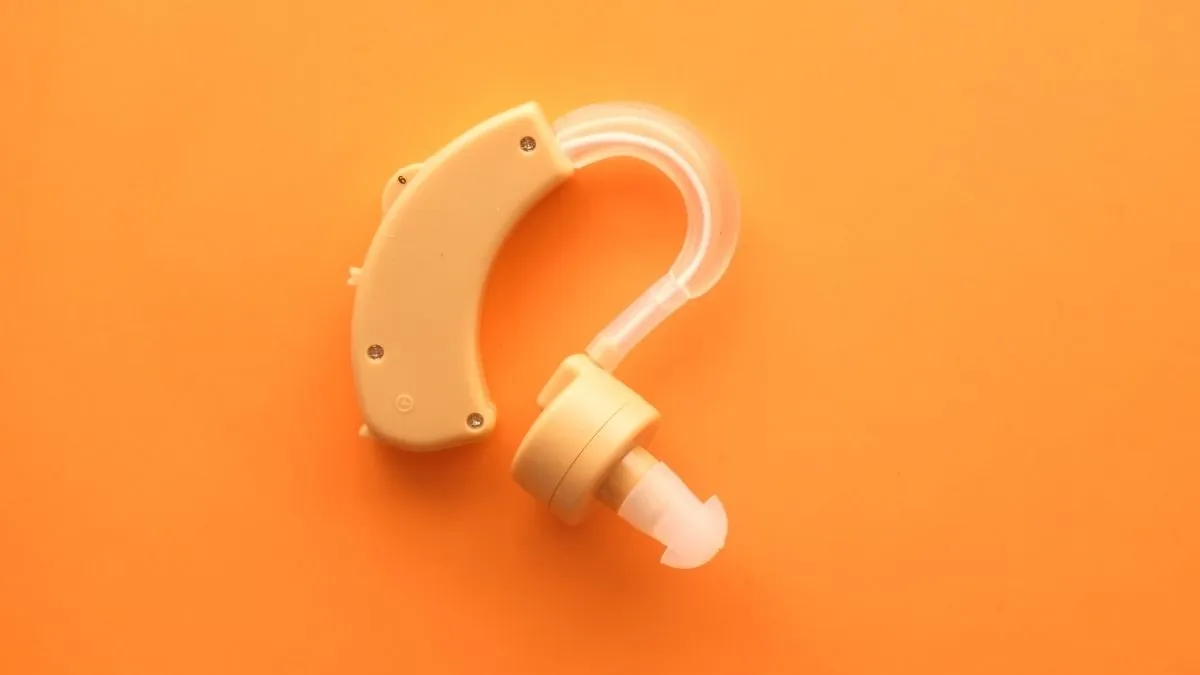

Wondering how to sell used hearing aids? Here is the complete guide to selling used hearing aids for beginners.
As you might know, hearing aids are insanely expensive. A pair of hearing aids can range from $2,000 to $6,000.
What to do if you have to upgrade to a new pair? It doesn’t seem right to throw away your used expensive hearing aid. Instead, you can sell your used hearing aids to recoup some money.
Selling used hearing aids isn’t as easy as selling a used iPhone because hearing aids fall under the category of medical devices.
Fortunately, the market has changed. The FDA regulates all hearing aids to ensure safety and effectiveness for consumers. You can resell certain types of OTC (over-the-counter) hearing aids.
In this guide, I’ll cover everything you need to know about selling used hearing aids—from legal perspectives and the best places to sell to how to prep them for sale.
Table of Contents
Is It Legal To Sell Used Hearing Aids?
It’s legal to sell used hearing aids, but rules vary depending on the type and local licensing laws.
Though it’s legal to sell used hearing aids, there are strict federal (FDA) and state-level regulations you must follow to avoid being flagged for “illegal dispensing” of a medical device.
1. Determining the Type (The Most Critical Factor)
Federal law distinguishes between two categories, and the rules for each are very different:
- Over-the-Counter (OTC) Hearing Aids: It’s a new category of hearing aids that consumers can buy directly, without visiting a hearing health professional. These devices are intended to help adults with perceived mild to moderate hearing loss.
- Legality: OTC hearing aids are fully legal to resell. These are treated more like consumer electronics for adults with mild-to-moderate hearing loss.
- Prescription Hearing Aids: These are “Prescription Only” medical devices, which hearing health professionals prescribe.
- Legality: It is legal for a licensed dispenser to sell used/refurbished prescription aids; it is a legal “gray area” for a private individual to do so. In many states (like Florida, Virginia, and New York), “dispensing” a prescription hearing aid without a license is a violation of state law.
2. FDA Labeling Requirements
If you sell used hearing aids (especially prescription models), federal law requires:
- Used Label: Both the device and the packaging must be clearly labeled as “Used.”
- Instructional Brochure: You must provide the original user manual or a copy of it.
- The “Waiver” Disclosure: It’s recommended to include a statement in your listing advising the buyer that a medical evaluation by a licensed physician is recommended before purchase.
3. Special Prohibitions
- VA Hearing Aids: It is illegal to sell hearing aids issued by the Veterans Administration (VA) because they are considered government property.
- Stolen/Insurance-Claimed Aids: Obviously, it’s prohibited to sell these types of hearing aids. Most modern high-end aids have serial numbers registered in global databases. If an aid was reported lost/stolen for an insurance claim, a professional will see this “red flag” immediately when they try to program it.
Note: Selling a used hearing aid terminates the warranty, and manufacturers prohibit resale. Most warranties only apply to the original buyer.
Types of Hearing Aids You Can Sell
The types of hearing aids you can sell depend on their physical style, whether the software is unlocked, and their age.
You can sell some types of hearing aids on the resale market pretty easily, while others are virtually impossible to resell.
1. High Resale Potential (The “Universal” Types)
The universal types of hearing aids are easy to sell because they are not custom-molded to one person’s ear. The new owner only needs to change the “dome” (the soft tip) or the thin plastic tube to make them fit.
- RIC (Receiver-in-Canal): This is the most popular hearing aid style on the market. The main body sits behind the ear, and a thin wire goes into the ear. These types of hearing aids have the highest resale value since they fit almost anyone.
- BTE (Behind-the-Ear): These types of hearing aids are durable and popular for people with severe hearing loss. They use standard earmolds or tips that are easily replaced.
- OTC (Over-the-Counter) Aids: These types of hearing aids are easy to sell since they are designed for self-fitting. Brands like Jabra Enhance, Sony, and Lexie are popular in the used market.
2. Low Resale Potential (The “Custom” Types)
Custom-made hearing aids are difficult to sell because the plastic shell is physically molded to the original owner’s ear canal using a silicone impression.
- ITE (In-the-Ear), ITC (In-the-Canal), and CIC (Completely-in-the-Canal): These hearing aids won’t physically fit a new buyer. The new buyer would have to pay a manufacturer $300–$500 per ear for “re-casing” (melting it down and remolding it), which usually makes buying used a bad deal for them.
3. Locked vs Unlocked Brands
Your hearing aid software inside might be “locked” to a specific store chain.
- Unlocked (High Value): Major brands like Phonak, Oticon, Starkey, Signia, Widex, and Resound. Any audiologist can easily reprogram these hearing aids.
- Locked (Hard to Sell): Brands sold by specific franchises, such as Beltone, Miracle-Ear, and Audigy (AGX). These can only be programmed by particular stores, which limits a buyer’s options and lowers the price.
Factors That Determine the Resale Value of Hearing Aids
The resale value of hearing aids is significantly lower compared to their original purchase price. It’s because the buyer is purchasing a medical device that requires professional service to function correctly.
Hearing aids are like brand new cars. The moment you buy them, they lose about 50% of their value. Likewise, a hearing aid pair might cost $4,000–$7,000 new; they typically resell for only 15–30% of that value.
Here are some of the primary factors that determine the value of your used hearing aids.
1. Physical Style and Reusability
The physical style is perhaps the biggest factor in whether you can sell your used hearing aids.
- Behind-the-Ear (BTE) & Receiver-in-the-Canal (RIC): These have the highest resale value in the market. It’s because they use universal “domes” or earmolds that can be easily swapped out for a new user.
- In-the-Ear (ITE) & In-the-Canal (ITC): These have very low resale value because they are custom-molded to the original owner’s ear shape.
2. Locked vs Unlocked Devices
This is the most critical factor that determines the value of your hearing aid.
- Unlocked: Hearing devices from brands (Phonak, Oticon, ReSound) sold by independent audiologists can be programmed by almost any professional.
- Locked: Some hearing device brands are often “locked” to that company’s specific software. An independent audiologist can’t reprogram these devices.
3. Age and Technology Cycle
Hearing aid technology evolves as fast as smartphone technology.
- Under 2 Years: These are considered “latest gen” and hold the most value.
- 3–5 Years: These devices still function but lack the latest AI noise processing or Bluetooth protocols.
- 5+ Years: Most hearing aids have a lifespan of 5-7 years. Therefore, devices older than 5 years have almost zero resale value as they are nearing the end of their mechanical life.
4. High-Demand Features
Buyers often look for modern conveniences.
- Rechargeability: Hearing aids with lithium-ion rechargeable models are much more desirable than those requiring disposable batteries.
- Bluetooth Connectivity: Direct streaming to iPhones or Androids is now a standard expectation.
- Technology Level: Most brands offer “tiers” (e.g., Level 3, 5, 7, or 9). It indicates the device quality. A “Premium” level device (Level 9) will always command a higher price than an “Entry” level one.
5. Hidden Costs for the Buyer
A buyer not only pays you, but they are also paying for a professional setup.
- Reprogramming Fees: An audiologist typically charges $150–$500 to program used hearing aids.
- Parts: New receivers or domes can cost $100 or more.
- Warranty: Hearing aid warranties are rarely transferable and typically have no remaining warranty coverage. A buyer takes a significant risk that the device may fail within a month after purchase.
Estimated Resale Values (Per Pair)
| Technology Level | Current Gen (1–2 yrs old) | Previous Gen (3–4 yrs old) | Legacy (5+ yrs old) | Examples |
|---|---|---|---|---|
| Premium | $1,500 – $2,800 | $800 – $1,200 | $300 – $500 | Phonak Lumity/Infinio, Oticon Intent/More, Starkey Genesis |
| Mid-Range | $800 – $1,400 | $500 – $750 | $200 – $350 | Phonak Audeo P50, Signia Pure 5X, Resound Omnia 5 |
| Entry-Level | $400 – $700 | $250 – $400 | $100 – $200 | Unitron Moxi, Widex Enjoy, Basic OTC models |
| OTC (High-End) | $300 – $600 | $150 – $250 | Minimal Value | Sony CRE-E10, Jabra Enhance Select |
Where To Sell Used Hearing Aids
Now that you know what types of hearing aids you can sell and what you can sell them for, it’s time to know about the best places to sell used hearing aids.
Selling used hearing aids is a niche market because of the professional programming and medical regulations involved. Here are some of the best places to sell used hearing aids for cash.
1. eBay
eBay is the largest marketplace for hearing aids. Prescription-style aids (RIC/BTE) sell better than custom-molded ones.
eBay officially prohibits the sale of prescription medical devices. However, there is an exception for hearing aids. You must include a specific FDA disclaimer in your listing. Otherwise, your listing will be taken down.
Copy and paste this mandatory FDA disclaimer into your listing’s description:
“According to the FDA, it is in your best health interest to obtain a professional medical evaluation before purchasing a hearing aid and you are encouraged to do so before bidding on this item. If you choose not to obtain a medical evaluation before purchasing this item, I am required by law to provide to you and obtain from you a signed written waiver of the medical evaluation. I am also required to provide to you a copy of the User Instruction Brochure for a hearing aid, review the contents of that brochure with you, and allow you time to read the brochure. You must provide to me either a signed statement from a physician or a signed waiver before I will deliver this item to you. Upon your request, I will also provide to you a copy of the User Instructional Brochure for the hearing aid or the name and address of the manufacturer or distributor from whom a User Instructional Brochure for the hearing aid can be obtained.“
2. Mercari
Mercari is a popular consumer-to-consumer (C2C) marketplace, where individuals can buy and sell a wide variety of new and used items, including hearing aids.
It’s often considered a more user-friendly version of eBay, handling payments and shipping labels within the app to simplify the selling process.
Mercari’s Prohibited Items policy explicitly bans the sale of prescription medicines and devices. You can’t sell prescription hearing aids on the platform. However, you can sell hearing aid accessories, such as batteries, cleaning kits & cases, and charging docks.
3. Hears Hearing & Hearables
Hears Hearing & Hearables is one of the most prominent specialized services. It operates as a consignment store, meaning it helps you with the selling process.
Contact info@hearshearingandhearables.com with your product brand and serial number information to sell consignment items. They will then verify that information and decide whether the product is suitable to sell in their consignment store.
If your product is accepted, you must pay the consignment fee (usually around $100) for them to test, clean, and list the device.
The commission they charge from the final sales price depends on the product’s value, ranging from $150 for items under $500 to 30% for products over $500, and 25% for products over $3,000.
4. Reddit
You can consider visiting subreddits related to hearing loss to sell your used hearing aids. There are occasionally “Swap and Sell” threads or users looking for specific parts of older models.
Here are two subreddits to start with:
While Reddit is not a formal marketplace, it’s a good place to find potential buyers.
5. Facebook Groups
Facebook Marketplace is one of the best places to buy and sell used items. However, it doesn’t accept medical device listings. Therefore, you can’t sell your used hearing aids on the platform.
For this reason, consider joining Facebook groups related to hearing aid devices or hearing loss. Search for “Hearing Equipment Swap/Trade/Sell” groups. These are private communities that are often more lenient than the general Facebook Marketplace.
6. Craigslist
Craigslist is a classified advertisement website with sections devoted to jobs, housing, for sale, items wanted, services, community service, gigs, résumés, and discussion forums.
Unlike Facebook Marketplace, which flags listings for medical devices, Craigslist doesn’t explicitly ban hearing aid listings. If your listing gets rejected, try listing it under the category “Health & Beauty” or “Electronics.”
Related: 30 Sites Like Craigslist To Sell & Buy Used Stuff
7. Local Repair Shops & Audiologists
Local repair shops and audiologists are often looking for spare parts. You can contact your local audiologists to ask if they buy used or broken units for parts.
The downside of selling used hearing aids to local repair shops and audiologists is that they won’t pay full retail price. However, they might offer you a fair cash price on the spot.
Trade-In Programs for Hearing Aids
If you’re selling your used hearing aids to buy new ones, a trade-in will almost always give you more “value” than a cash sale.
When you trade in your hearing aids, you’ll receive store credit from the manufacturer or retailer. You can use this credit to buy a new device from the manufacturer or retailer.
Here are some trade-in programs for hearing aids:
- HearingLife: Offers up to $500 in trade-in credit toward new devices.
- Bloom Hearing Specialists: Historically offered up to $2,000 in credit toward premium upgrades, depending on the model.
- Your Local Audiologist: Independent clinics have “unadvertised” trade-in programs. It is worth calling local private practices to see if they will credit your old pair toward a new purchase.
- Manufacturer Programs: Major brands like Phonak and Starkey sometimes offer loyalty trade-up through their authorized local audiologists.
Donate Your Used Hearing Aids
As you can see, there are many places to sell your used hearing aids. You can recoup the cost of your expensive hearing aids. However, the resale value is significantly lower than the retail price.
If your hearing aids are older and are not worth much, consider donating them. Many people suffering from hearing loss can’t afford to buy expensive devices. Charities refurbish your old devices for low-income children and adults.
Here are some of the “gold standard” for hearing aid donations:
- The Hearing Aid Project
- Lions Club International (HARP)
- Starkey Hearing Foundation (Hear Now)
- Help America Hear
How To Prepare Your Hearing Aids for Selling
It’s essential to prepare your hearing aids for sale as they are medical devices. You must handle hygiene, data privacy, and technical verification to get the best price and stay within legal guidelines.
1. Technical Preparation
A buyer’s biggest concern is whether the hearing aids can actually be used.
- Check “Lock” Status: Hearing aids that are unlocked often get the best value. However, some brands are “locked” to their specific software, meaning a buyer can only have them serviced at those specific clinics.
- Locate Serial Numbers: Hearing aid serial numbers are usually found inside the battery door or printed in tiny text on the spine of the device. Buyers use this number to verify the age and model with the manufacturer.
- Verify Warranty: Call the manufacturer with your serial number to see if any warranty remains. A transferable warranty significantly increases the resale value.
2. Digital Sanitization
If your hearing aid has connectivity (Bluetooth) capability, you must “unlink” it from your personal life.
- Unpair from Phone: Go to your phone’s Bluetooth settings and select “Forget This Device.”
- Accessibility Reset (iPhone): Go to Settings > Accessibility > Hearing Devices, tap your aids, and select “Forget this device.”
- App Reset: Open the manufacturer’s app and look for “Remove Device” or “Forget Hearing Aids” in the settings menu.
- Hardware Reset: You can perform a “Hard Reset” by holding the bottom button for 20 seconds until the light flashes. This option is only available on rechargeable models.
3. Physical Cleaning & Sanitizing
Before shipping your item to the buyer, you need to clean and sanitize it.
- Remove & Discard Consumables: Always remove and throw away the earmolds, domes, and wax guards. The buyer will buy new ones.
- Sanitize the Shell: Use a non-alcoholic anti-bacterial wipe or a soft cloth dampened with mild soapy water. It’s prohibited to use rubbing alcohol or bleach, as they can degrade the specialized coatings and microphones.
- Brush the Ports: Use a soft brush to gently clear any debris from the microphone ports and the battery compartment.
4. Create a “Full Package”
To get the highest resale value, include all original accessories:
- The Charger
- Hard Case
- Original Box/Manuals
- Extra Batteries
FAQs
Is it legal to sell used hearing aids?
Yes, it’s legal to sell used hearing aids. However, you must clearly label the item as “used” or “rebuilt.”
What is the “FDA Disclaimer” everyone mentions?
When selling on a platform like eBay, it is essential to include specific text in your listing to avoid being flagged.
Standard Disclaimer: “According to the FDA, it is in your best health interest to obtain a professional medical evaluation before purchasing a hearing aid. I will verify your status as an authorized purchaser or obtain a signed medical waiver before shipping.”
Do I need a prescription from the buyer?
You don’t require a prescription for over-the-counter (OTC) devices. For prescription models, federal law technically requires the buyer to have a medical evaluation.
However, most private sales involve the buyer signing a “Medical Waiver,” which is a statement saying they choose to forgo the exam.
Is donating better than selling?
If your hearing aid resale value is low, older, broken, or custom-molded, donating ensures it helps someone in need.
Does device age matter?
Hearing aid devices older than 5–6 years lose resale value on the market. On the other hand, newer models sell fast.
What can I do with broken hearing aids?
You can’t sell broken hearing aids as a pair. However, you can sell your broken hearing aid as “Parts Only” to repair shops or donate it to charities that refurbish or recycle them.
Final Thoughts
Selling used hearing aids can help you recoup some of the costs. However, the resale value depends on various factors mentioned above.
If your hearing aid resale value is low, consider donating it to charitable organizations. Your donation will help someone in need.
What do you think about selling used hearing aids? Let me know in the comments.
Recommended Articles: