
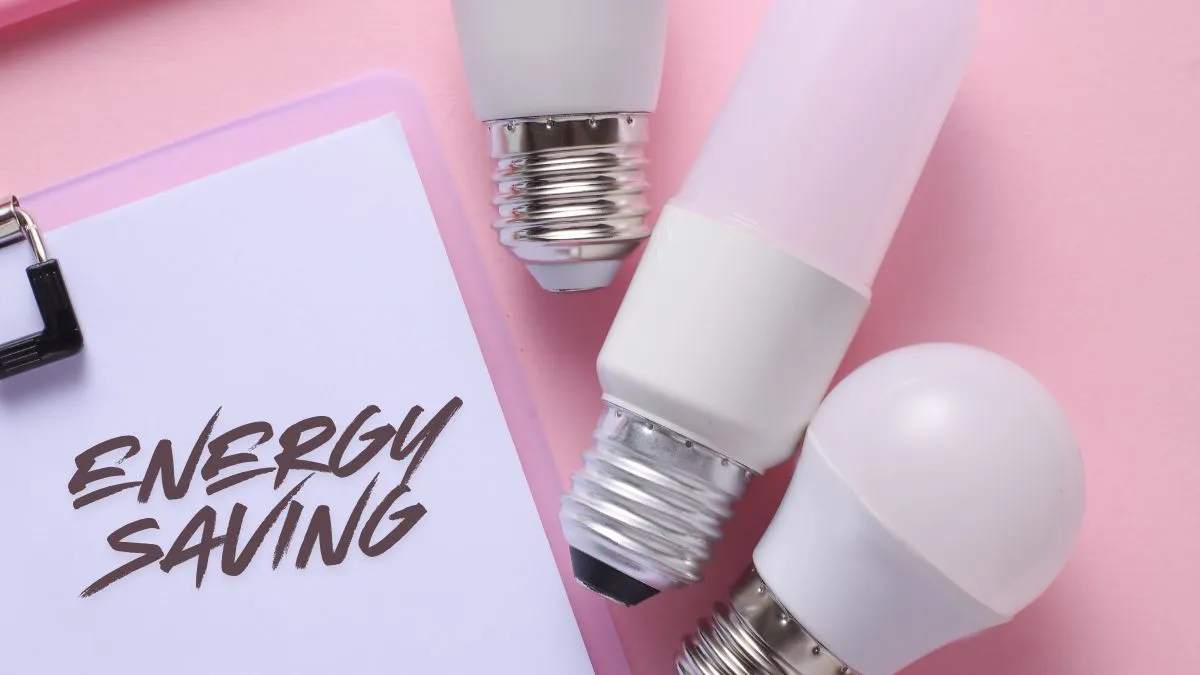

Discover practical, budget-friendly energy saving tips that actually work. From small daily habits to smart home upgrades, learn how to lower your electricity bill and keep more money in your pocket.
Let’s be real — opening your utility bill at the end of the month can feel like a little punch to the gut. Whether it crept up slowly or jumped overnight, high energy costs are one of those “background drains” that quietly chip away at your budget month after month.
The good news? You don’t have to sit in the dark or take cold showers to make a dent in it. Most energy-saving strategies are surprisingly simple, and many cost absolutely nothing to start. We’re talking habit shifts and small tweaks — not major renovations.
I’ve been writing about budget living for years, and energy bills are one of the first places I tell people to look when they want to free up some breathing room in their budget.
So let’s get into it.
Why Energy Efficiency Actually Matters for Your Budget
Before we jump into the tips, here’s a quick reality check on why this is worth your attention.
The average household in the US spends around $1,500–$2,200 per year on electricity alone. That’s not including gas, heating oil, or other utilities.
Small inefficiencies — a leaky faucet, an old fridge, lights left on — can quietly account for 20–30% of that cost.
That means with consistent effort, you could realistically save $300–$600 a year or more just by changing a few habits. That’s a vacation fund. An emergency cushion. Or just fewer stressful months.
Energy Saving Tips That Actually Work
1. Tackle the “Energy Vampires” First
Some of your appliances are sipping electricity even when you’re not using them. These are called standby loads or “phantom loads” — and they’re sneaky.
Things like your TV, gaming console, microwave, and phone chargers all draw power when plugged in, even when switched off. The fix is simple: use smart power strips or just unplug devices you don’t use daily. It takes one minute and costs nothing.
Budget tip: A basic smart power strip runs around $15–$25 and can pay for itself within a few months.
2. Switch to LED Bulbs Everywhere
If you still have incandescent bulbs anywhere in your home, this is your sign to swap them out. LED bulbs use about 75% less energy than traditional incandescent ones and last significantly longer — sometimes up to 25 times longer.
Yes, they cost a little more upfront. But when you factor in the electricity savings and how rarely you’ll need to replace them, LEDs are one of the best small investments for your home.
Budget tip: Many utility companies offer rebates or even free LED bulbs. Check your provider’s website — you might score freebies.
Related: How To Get Free Light Bulbs: 25 Legit Ways
3. Be Strategic With Your Thermostat
Heating and cooling typically make up nearly half of a home’s energy bill. That makes your thermostat one of the most powerful tools you have.
Here’s what works:
- Set it and forget it — every degree you lower (in winter) or raise (in summer) saves roughly 1–3% on your heating/cooling costs
- Use a programmable or smart thermostat — it adjusts automatically so you’re not paying to heat or cool an empty house
- Layer up in winter, dress lighter in summer — sounds obvious but it genuinely reduces how hard your HVAC system has to work
A smart thermostat like the Google Nest or Ecobee runs $100–$150, but many utility companies offer rebates that bring the cost way down — sometimes under $50.
4. Seal the Leaks You Can’t See
Here’s a cheap one that makes a huge difference: air sealing.
Drafts around windows, doors, electrical outlets, and even recessed lights let conditioned air escape. Your HVAC works harder to compensate, and you pay for it.
Walk around your home on a cold day with a stick of incense or a candle near suspected gaps — if the smoke wavers, you’ve found a leak. Then seal it with:
- Weatherstripping for doors (under $10 a roll)
- Caulk for window frames and gaps (a few dollars a tube)
- Foam outlet insulation gaskets (less than $5 for a pack)
This is one of the highest ROI things you can do, especially if you live in an older home.
5. Run Your Appliances Smarter
Your dishwasher, washing machine, and dryer are among your home’s biggest energy users. A few tweaks here go a long way:
- Wash clothes in cold water — about 90% of the energy a washing machine uses goes toward heating water. Cold water cleans just as well for most loads.
- Run full loads — whether it’s the dishwasher or the washer, partial loads are wasteful.
- Skip the heated dry cycle on your dishwasher and let dishes air dry.
- Clean your dryer’s lint trap every single time — a clogged trap makes the dryer work harder and takes longer.
- Shift usage to off-peak hours — many utilities charge less for electricity used during nights and weekends. Check your plan.
6. Give Your Water Heater Some Attention
Your water heater is one of the top energy consumers in any home. A few adjustments can save real money:
- Lower the temperature to 120°F (49°C) — most water heaters ship set at 140°F, which is hotter than needed and costs more to maintain
- Insulate the first few feet of hot water pipes — this reduces heat loss as water travels to your faucets
- Install a low-flow showerhead — you use less hot water, so the heater runs less often
If your water heater is more than 10–12 years old, it’s likely running inefficiently. It might be worth looking into a heat pump water heater when it’s time to replace it — they’re significantly more efficient, and there are often tax credits available.
7. Use Natural Light and Ventilation
This one costs nothing at all. Open your blinds and curtains during the day to heat your home naturally in winter. In summer, keep south- and west-facing blinds closed during peak heat hours to block out the sun.
In the evenings during spring and fall, open windows to create cross-ventilation and skip the AC entirely. Ceiling fans also help circulate air and can make a room feel several degrees cooler — just remember to reverse the direction in winter to push warm air down.
8. Fridge and Freezer Habits Matter More Than You Think
Your refrigerator runs 24/7, which makes it a constant energy draw. Here’s how to keep it efficient:
- Check the door seals — if they’re not tight, cold air escapes and the motor overworks itself
- Keep the fridge between 35–38°F and the freezer at 0°F
- Don’t overstuff it — good airflow inside keeps everything cool without straining the motor
- Dust the coils at the back or bottom once or twice a year — dirty coils make the fridge work harder
9. Get a Free Home Energy Audit
This one is wildly underused. Many utility companies offer free home energy audits where a professional comes to your home, identifies where you’re losing energy, and gives you a prioritized list of improvements. Some even offer rebates or no-cost upgrades on the spot.
If your utility doesn’t offer it, you can do a DIY audit using free online tools from energy.gov or similar resources.
10. Build the Habit of Turning Things Off
Last but not least: just turn things off. Lights, fans, TVs, computers. It sounds almost embarrassingly basic, but walk through your home right now and count how many things are running that don’t need to be.
Building the “turn it off when you leave the room” habit as a household can cut your bill by a noticeable amount over a year — and it costs absolutely nothing.
Frequently Asked Questions (FAQs)
What is the single fastest way to lower my electricity bill?
The quickest win is usually unplugging standby devices and switching to LED bulbs. Both can be done today at low or no cost, and you’ll see the difference on your next bill.
Do smart thermostats really save money?
Yes, consistently. Studies suggest that programmable and smart thermostats can save the average household 10–15% on heating and cooling annually. Over a few years, they easily pay for themselves.
Is it better to turn off the AC completely or leave it running?
For most homes, it’s more efficient to raise the temperature while you’re away (by 7–10°F) rather than turning it off completely. Cooling a very hot home from scratch takes more energy than maintaining a moderate temperature. A programmable thermostat handles this automatically.
How much money can I realistically save with these tips?
It varies by home and starting point, but implementing a combination of these strategies consistently can save most households $200–$600 per year, sometimes more in older or larger homes.
What if I can’t afford upgrades like a smart thermostat?
That’s totally okay — start with the zero-cost habits first. Adjusting your thermostat manually, washing in cold water, turning off lights, and sealing drafts with affordable weatherstripping can collectively save a meaningful amount without any major investment.
Final Thoughts: Small Steps, Real Savings
Energy saving doesn’t have to be all-or-nothing. You don’t need a solar panel array or a full home renovation to start seeing results. Pick two or three tips from this list and start there. Build the habits, see the savings, then add more.
The whole point of budget living isn’t deprivation — it’s being intentional about where your money goes. Keeping more of it out of your utility company’s pocket and into your own is a pretty good place to start.
Got a tip that’s worked well for you? Drop it in the comments — I’d love to hear what’s made the biggest difference in your home.
You May Be Interested In: