
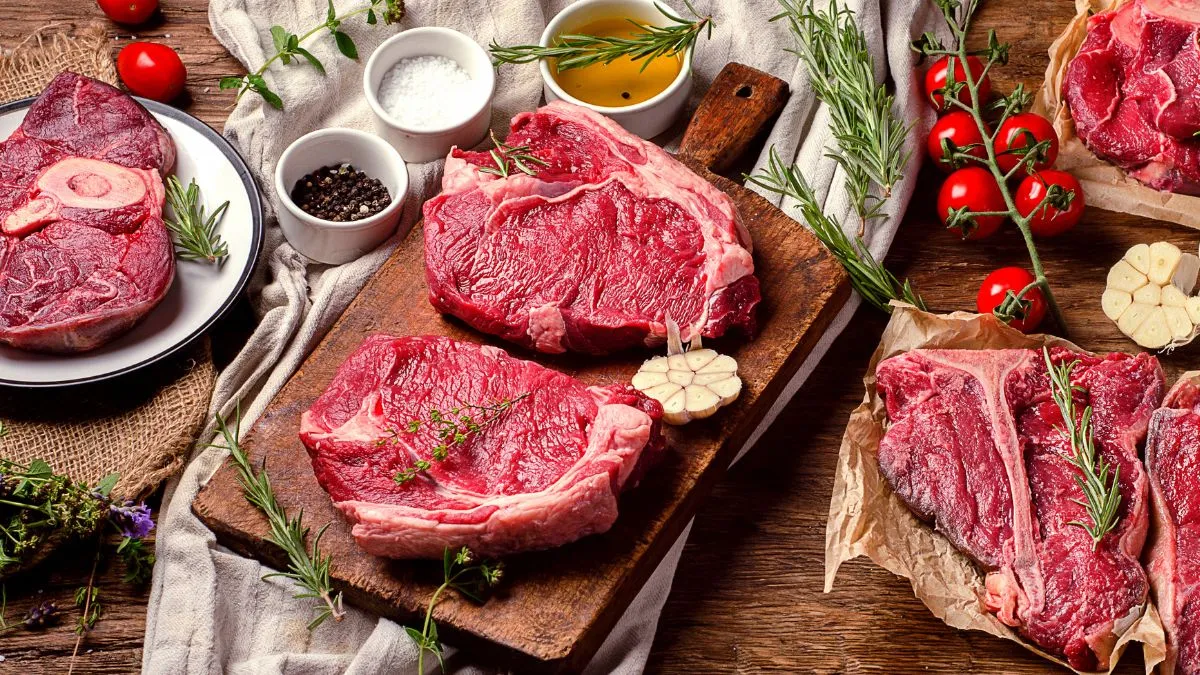

Want to save money on meat? Yes? Here are some proven ways to save money on meat that help you in a smart grocery budget.
Meat is one of the primary sources of protein. Every household should include meat in its meal planning. Unfortunately, meat isn’t budget-friendly, especially in this inflation.
Over the years, meat prices skyrocketed. Rising feed costs, transportation expenses, labor shortages, and even climate-related disruptions have all contributed to higher meat prices.
For the average household, affording meat is a luxury these days. It doesn’t mean you should totally avoid meat from your meal planning.
I have some little hacks to save money on meat. In this post, I’ll cover some proven ways to save money on meat.
Table of Contents
So, let’s get started.
1. Save Money on Meat: Meal Planning
When it comes to saving money on food, the number one recommendation is meal planning. Planning your meals helps you decide what to serve on the table and what you need from the grocery store.
Meal planning helps you to avoid impulse buying. You know exactly what you are cooking for the week, what ingredients you need, how to avoid food waste, and how to use up the ingredients you already have.
I would prefer ground meats (beef, pork, turkey, lamb) to save money, which are versatile and cost-effective, compared to other meats.
2. Grow Your Own Meat
You can grow your own meat if you have space, resources, and the energy to raise animals. If you have a smaller space in your backyard, I would recommend raising chickens. You can get chicken meat along with eggs.
On the other hand, if you have a large space, you can raise cows and goats. As you know, they also give us milk. Therefore, raising cows and goats can supplement your grocery budget.
Though it’s a great idea to raise animals, it’s not practical for every household, especially for people living in the city.
3. Shop at Local Butchers and Farmers Markets
Supermarkets are convenient, but they are not cost-effective for meat. Local butchers and farmers’ markets can sometimes offer better deals, especially if you shop strategically.
At a local butcher shop, you build a solid relationship. It can lead to insider tips on cheaper cuts, custom portions, or even discounts on items that need to be sold quickly. Butchers have a deeper knowledge of their products and can recommend options that fit your budget.
Farmers’ markets are another great place to buy meat at lower prices. You get to bargain the price with the seller and often find deals on bulk purchases or less popular cuts.
4. Wait for Meat Sales
Big box stores like Walmart, Aldi, and Costco often run deals on meat. For example, Walmart stores mark down meat (yellow sticker/CVP) in the early morning, usually between 7:00 AM and 10:00 AM, to clear items expiring that day.
You can be friendly with the folks behind the meat counter to find out when markdowns usually happen, so you can get there early and snag the best deals.
5. Choose Cheaper Cuts
We can’t deny the fact that meat is not cheap. That doesn’t mean you have to remove it from your meal planning. Instead, you can shop strategically to reduce the meat price.
Here are some of the cheapest meat cuts by type:
- Chicken (Most Budget-Friendly): Whole chicken, drumsticks, thighs, and wings are the most economical.
- Pork (Versatile & Cheap): Pork shoulder (Boston butt) for slow cooking/pulled pork, pork chops, and spareribs are high-value, budget-friendly options.
- Beef (Budget Options): Ground beef, chuck roast, brisket, and flank steak are cheaper, tougher cuts suitable for braising or stewing.
Cheaper meat cuts don’t pale in comparison in taste if you know how to cook them.
6. Buy Meat in Bulk
If you shop at superstores, buying meat in bulk can save you tons, especially if you time it with sales or use coupons.
Buying meat in bulk might feel like a big upfront expense, but in reality, it’s one of the smartest ways to cut costs long-term. Grocery stores and wholesalers often give you discounts if you purchase in large quantities.
Here are some tips on buying and storing meat in bulk:
- Get a deep freezer: A deep freezer keeps meat frozen longer than a regular fridge. Therefore, it’s a great investment for bulk storage.
- Slice the meat: Never store meat in large portions to avoid freezer burn. Always divide meat into meal-sized portions before freezing. Wrap meat tightly in plastic wrap, then place it in airtight freezer bags or vacuum-sealed pouches.
- Label: Write the date and type of meat on each package so you don’t end up with mystery items months later. Most meats can last 3 to 12 months in the freezer if stored correctly. Always use the oldest meat first.
7. Buy Whole Animals or Large Portions
It may sound unconventional at first, but buying larger portions—or even whole animals—can dramatically reduce your cost per pound.
It’s one of the most popular strategies that butchers and savvy shoppers have used for years, and it’s still powerful enough to cut grocery expenses.
When you buy a whole chicken instead of pre-cut portions, you’re often paying significantly less. The same goes for other meats. Pre-cut meats come with an extra expense because you’re paying for convenience.
Not only do you save money, but you also get more flexibility on how to use each part.
You can purchase a share of an animal (like half a cow or a quarter pig) directly from a farmer, which can offer even bigger savings. I know the upfront costs are higher, but the price per pound is usually much lower than retail.
8. Costco’s Famous $4.99 Rotisserie Chickens
Did you know Costco’s rotisserie chicken has been $4.99 since the year 2000? Even with today’s inflation, they kept this price, making it one of the best deals on the market.
If you are not in the mood of cooking tonight, grab a rotisserie chicken and enjoy your meal. You can repurpose rotisserie chicken into so many dishes.
9. Eat Less Meats
One of the best ways to save money on meat is to eat less. Not only does it save money, but it keeps you healthy. As you might know, consuming too much meat is not good for your health.
You can add meat to your meal once or twice a week to reduce the risk of health issues like diabetes, heart disease, and obesity.
10. Buy at Ethnic Grocery Stores
In my experience, ethnic grocery stores never disappoint when it comes to better deals. If you’re not finding great deals at your usual grocery stores, try ethnic or speciality stores in your area.
These stores often source meat differently, which saves them money. Therefore, they can sell meat at lower prices than other grocery stores. Also, ethnic stores often offer better prices, fresher meat, and more variety.
11. Store Meat Properly to Prevent Waste
Improper storage can spoil your meat before you can use it. Learning how to store meat properly can save you money.
I would recommend storing meat in the deep freezer for long-term storage. Also, packaging plays a big role. Airtight containers or vacuum-sealed bags help prevent freezer burn and maintain quality.
These small habits might seem minor, but they add up. By protecting your meat from spoiling, you’re saving money.
12. Buy After the Season
Holiday meats like turkey and ham are pricey before big events. However, the price drops fast once the holidays are over. If you have a deep freezer, buy in bulk to stock up.
Frequently Asked Questions
Here are some of the common questions people ask about saving money on meat.
What is the cheapest meat to buy regularly?
You can go for the most affordable cuts and types of meat to save money. Chicken thighs, pork shoulder, and ground turkey are often among the most affordable options.
Is buying meat in bulk really worth it?
Yes, buying meat in bulk can significantly lower the price. However, you must store meat properly to avoid spoiling.
How long can meat stay frozen safely?
Meats can be stored 3 to 12 months in the deep freezer with proper storage habits. You must use airtight containers or vacuum-sealed bags to prevent freezer burn and maintain quality.
Are local butchers cheaper than supermarkets?
You don’t have bargaining power at supermarkets, but local butchers allow you to bargain. Also, you get better deals from local butchers if you buy in bulk.
Final Thoughts
Nobody can deny the fact that meat is the most costly item on the grocery list. That doesn’t mean you should remove meat from your meal.
As you can see, there are many smart and creative ways to save money on meat. With a little planning and mindful shopping, you can enjoy meat while staying in your budget.
What do you think about these ways to save money on meat? Do you have any creative ideas? Let me know in the comments.
Recommended Articles:
- How to Get Free Groceries: 20+ Proven Ways That Work
- Amazon Hacks: 20 Smart Ways to Save Money While Shopping
- Walmart Hacks: 12 Genius Ways to Save Big and Shop Smarter
- 100+ Practical Money-Saving Hacks for Every Day Expenses
- 21 Delicious Frugal Baking Recipes to Save Money
- Smart Shopping Hacks: 17 Tricks You Need To Know