


Want a low-cost craft business? Here are decoupage crafts to make and sell, plus pricing tips, supply lists, and where to sell them online.
If you’ve ever spent an evening cutting up napkins and gluing them onto a wooden tray, you already know how weirdly satisfying decoupage is.
It’s messy in a good way; it doesn’t require a fine arts degree, and — this is the part that gets overlooked — it can actually make you money.
I got into decoupage a few years back as a “quiet hobby” during a stressful season of life. Somewhere between my third coaster and my first coffee table, I realized people were willing to pay real money for this stuff.
A friend saw a tray I’d made, asked if she could buy it, and that was it. I had accidentally started a tiny business.
If you’re sitting on a stash of scrapbook paper, old maps, or pretty napkins and wondering whether decoupage could be more than a hobby, here’s what’s actually worth making and selling.
Why Decoupage Is a Smart Craft Business to Start
Before we get into the list, a quick reality check on why this craft works so well for sellers:
- Low startup cost. Mod podge, brushes, and paper are cheap. You can start for under $30.
- High perceived value. A well-finished decoupage piece looks far more expensive than the materials cost.
- Endless customization. Seasonal designs, personalized gifts, wedding favors — the variety keeps buyers coming back.
- Small space friendly. No kiln, no loom, no dedicated workshop needed.
The trick isn’t the technique — it’s picking projects people actually want to buy, not just projects that are fun to make.
Decoupage Crafts That Actually Sell
1. Wooden Serving Trays
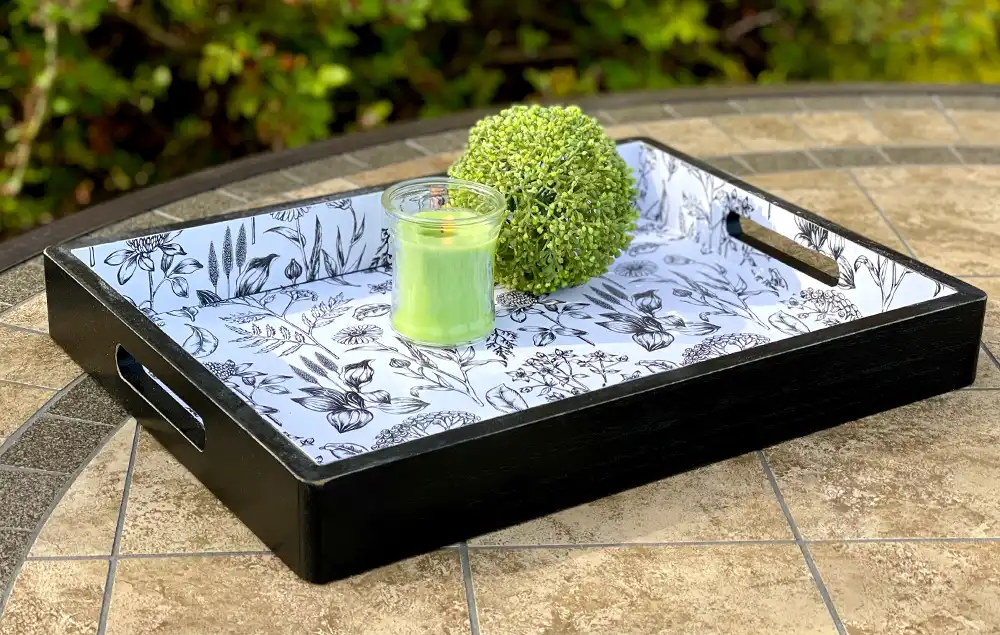
Trays are the bread and butter of decoupage sellers. Buy unfinished wood trays, layer on patterned paper or fabric, seal, and add handles. Kitchen and home decor buyers snap these up, especially with botanical or map designs.
2. Coasters
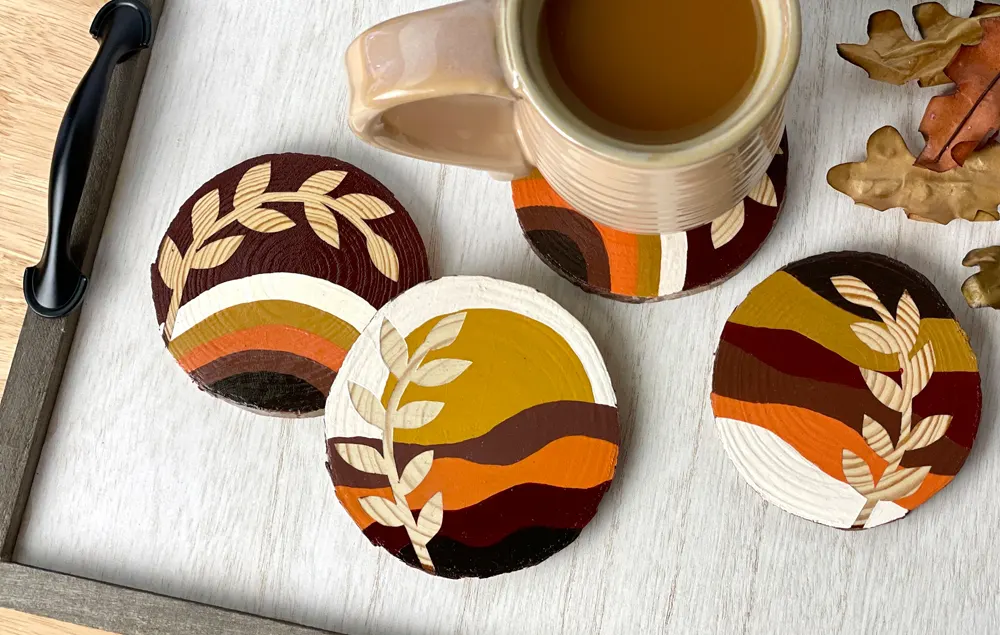
Small, cheap to make, and easy to ship. Cork or wood blanks work best. Sell them in sets of four — bundling almost always increases your average order value.
3. Jewelry Boxes
Old cigar boxes or plain wooden boxes get a total glow-up with decoupage. These do especially well as gift items around holidays.
4. Furniture Pieces (Small Scale)
Side tables, stools, and dresser drawers are decoupage gold. They take longer to finish, but buyers pay significantly more for a one-of-a-kind furniture piece than for a small accessory.
5. Planters and Flower Pots
Terracotta pots are inexpensive and take decoupage beautifully. These sell well seasonally — think spring and early summer.
6. Light Switch Covers
Small, quick, and surprisingly popular for home renovators looking for a custom touch without a big price tag.
7. Photo Frames
Personalize frames with maps, sheet music, or vintage postcards. These make excellent gift-shop or craft fair items because they photograph well online too.
8. Wine and Liquor Bottles
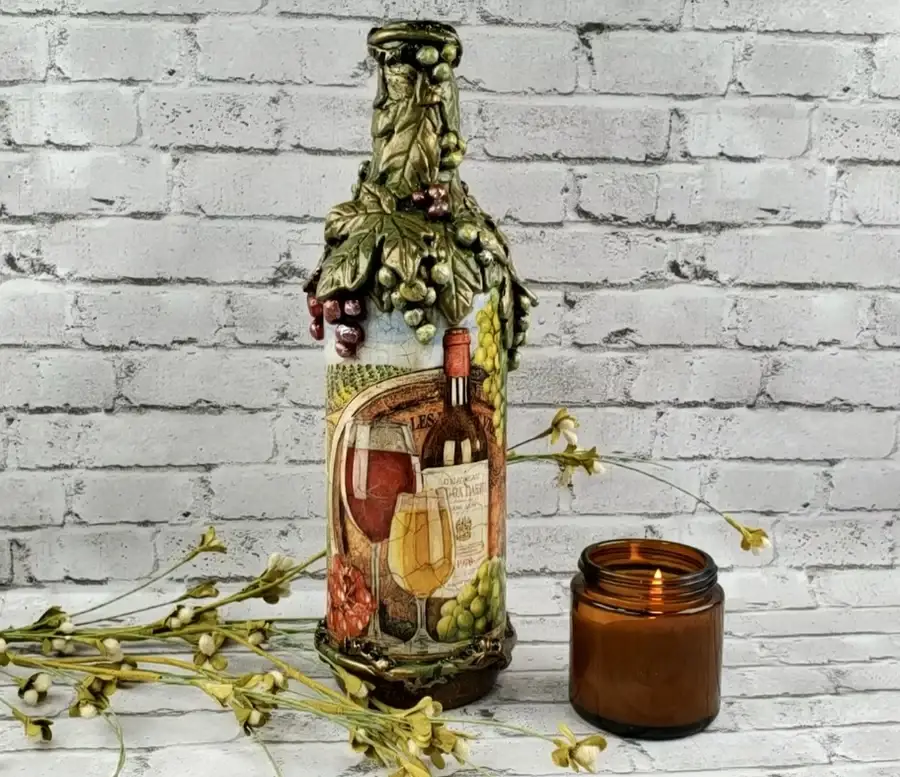
Empty bottles decoupaged into vases or decorative pieces are a favorite at farmers markets — low material cost, high visual impact.
9. Recipe Boxes
A niche but loyal audience exists for these, especially around Mother’s Day and wedding season.
10. Christmas Ornaments
Seasonal items sell fast and often sell out. Wooden ornament blanks with holiday-themed paper are quick to batch-produce.
11. Notebook and Journal Covers
Great for buyers who want something personal but affordable. These also work well as an “entry-level” product in your shop to get first-time buyers in the door.
12. Clocks
A functional item people don’t mind spending more on. Pair a plain wall clock with a striking paper design, and it instantly looks boutique.
13. Cutting Boards (Decorative, Not Food-Contact Surface)
Clearly label these as decorative only, since decoupage isn’t food-safe for actual cutting. Buyers use them as wall art or serving trays.
14. Storage Boxes and Baskets
Home organization is evergreen. Decoupaged storage boxes hit the sweet spot between useful and pretty.
15. Custom Pet Memorial Items
A more niche and emotional product — photo boxes or frames personalized with a pet’s image. Buyers pay a premium for anything personalized around grief or memory.
How to Price Your Decoupage Crafts
This is where a lot of new sellers underprice themselves.
A simple formula:
(Materials cost + Hourly rate × hours spent) × 1.5–2 = Price
The multiplier accounts for platform fees, packaging, and your business overhead — not just your time. If a tray costs $6 in materials and takes an hour, don’t price it at $10. Price it closer to $25–$35 depending on your market.
Where to Sell Decoupage Crafts
- Etsy — still the best starting point for handmade decor
- Local craft fairs and markets — great for direct feedback and repeat local buyers
- Instagram and Pinterest — decoupage is highly visual, so these platforms drive real traffic
- Facebook Marketplace — good for larger furniture pieces that are expensive to ship
- Consignment in local boutiques — especially for higher-end trays and furniture
Tips for Making Decoupage Pieces Buyers Actually Want
- Stick to a signature style or color palette so your shop looks cohesive, not random
- Use good sealant (multiple thin coats beat one thick one) — buyers can tell when finishing is rushed
- Photograph in natural light; decoupage’s texture and pattern is the whole selling point
- Test durability before listing — nobody wants a tray that peels after two uses
FAQs
Is decoupage a profitable craft business?
It can be, especially with low-cost items like coasters, trays, and ornaments. Profit depends on pricing correctly and choosing items with strong buyer demand, not just items that are fun to make.
What supplies do I need to start selling decoupage crafts?
At minimum: Mod Podge (or similar decoupage medium), foam brushes, scissors, patterned paper or napkins, and a surface to decorate (wood, glass, or cardboard blanks). A sealant/varnish for durability is worth adding early on.
Can I sell decoupage items on Etsy?
Yes, decoupage crafts are a popular category on Etsy, particularly trays, coasters, and home decor items. Good photography and clear descriptions of materials matter a lot for conversions.
Is decoupage food safe?
Standard decoupage isn’t considered food-safe for direct contact, so items like cutting boards should be marketed as decorative only, not for actual food preparation.
How long does it take to make a decoupage item to sell?
It varies by project. Coasters or ornaments might take 20–30 minutes plus drying time, while furniture pieces can take several hours across multiple sessions due to layering and sealing.
Final Thoughts
Decoupage is one of those crafts that rewards patience more than talent. You don’t need to be a “trained artist” — you need decent taste, a steady hand with Mod Podge, and a willingness to price your work like it’s worth something.
Start with two or three of the ideas above, see what sells, and build out from there.
You May Be Interested In: