
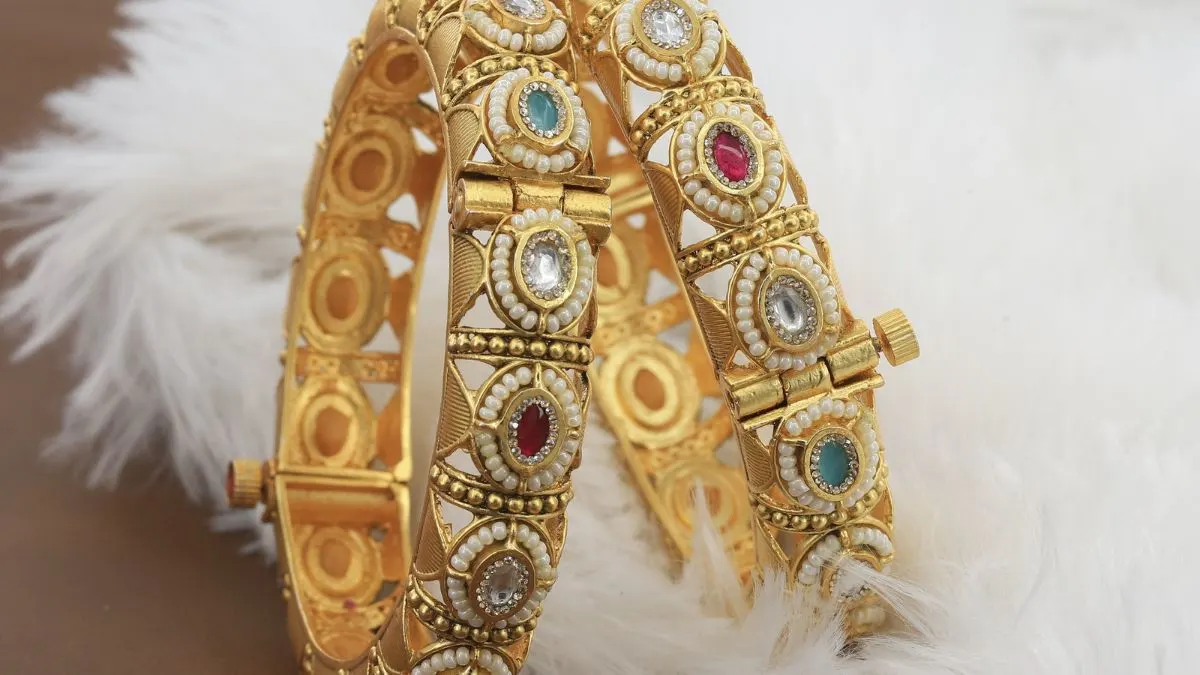

Want a fun side hustle that actually pays? Here are easy DIY jewelry ideas you can make at home and sell on Etsy, Pinterest, or in person.
Nothing can beat the classic gift of jewelry to make someone’s day. It’s not only suitable for lovers but also for family and friends. Jewelry is one of the perfect ways to show your love and appreciation, especially when you have it customized to their liking.
If you have artistic jewelry skills, it’s a great way to earn extra cash. Millions of people love handcrafted jewelry pieces to wear for themselves or gift to their loved ones.
Did you know that beads and pendants are one of the most common items sold on Etsy?
That’s the thing about handmade jewelry — it’s one of those rare hobbies that pays you back. Low startup costs, endless design options, and a market that’s always hungry for something that doesn’t look mass-produced.
If you’ve been thinking about turning your craft table into a small income stream, here are twelve ideas worth trying, along with a few honest notes on what actually sells.
Why Jewelry Is a Smart Thing to Sell
Before we get into the list, it’s worth understanding why jewelry keeps showing up as one of the top-performing categories on marketplaces like Etsy.
A few reasons:
- Materials are cheap relative to the sale price. A $3 spool of wire and a handful of beads can easily become a $25 pair of earrings.
- It ships small and light. No bulky packaging, no oversized shipping fees.
- People buy jewelry emotionally, not just practically — for gifts, milestones, or “just because I liked it.” That emotional pull tends to translate into repeat customers.
- You can make it in small batches, so you’re never sitting on a mountain of unsold inventory.
Now, onto the ideas.
DIY Jewelry to Make and Sell
1. Beaded Stacking Bracelets

Simple, colorful, and endlessly customizable. Stringing beads onto elastic cord is about as low-barrier as jewelry-making gets, which makes this a great starting point if you’ve never made jewelry before.
Sell them individually or as curated “stacks” of three to five — bundling almost always increases the average order value.
2. Wire-Wrapped Pendants

If you enjoy something a little more meditative, wire wrapping is worth learning. You take a stone, crystal, or found object and wrap it in wire to create a one-of-a-kind pendant. It looks far more advanced than it is, and once you’ve got the basic wrap down, you can crank out a whole collection using different stones.
3. Polymer Clay Earrings
This category has exploded over the past few years, and for good reason. Polymer clay is inexpensive, bakes at home in a regular oven, and lets you create shapes and color combinations you simply can’t get with other materials. Minimalist, hand-painted, and abstract designs tend to perform especially well with younger buyers.
4. Custom Name or Initial Necklaces
Personalization sells. A dainty necklace with someone’s initial, name, or a meaningful date feels like a gift rather than a purchase, and buyers are typically willing to pay a premium for that. You can hand-stamp metal blanks with a letter punch set, which requires very little equipment to start.
5. Charm Bracelets
Instead of one fixed design, offer a base bracelet and a menu of charms — hobbies, zodiac signs, birthstones, tiny animals. Letting customers build their own version turns a simple bracelet into a personal keepsake, and it gives you a reason to keep adding new charm options over time.
6. Resin Jewelry
Resin lets you suspend flowers, glitter, tiny photos, or color pigments inside a clear, glossy piece — think pendants, rings, or stud earrings. It does take a bit of practice to avoid bubbles, but once you’ve got your process down, resin pieces have a real “wow” factor that photographs beautifully for Pinterest and Instagram.
7. Friendship Bracelets With a Modern Twist
The classic knotted friendship bracelet never really went away — it just keeps getting reinvented. Add small letter beads to spell out a word, a lyric, or an inside joke, and you’ve got a product with built-in emotional appeal.
These are especially popular around concert season and among younger buyers looking for something affordable and shareable.
8. Hammered Metal Rings and Cuffs
A metal hammer, a mandrel, and some soft wire or metal blanks are really all you need to start making simple hammered rings and cuffs. The texture from hammering gives each piece a handmade, slightly imperfect look that a lot of buyers actively seek out — it reads as “made by a person,” not a factory.
9. Birthstone Jewelry
Birthstone pieces sell steadily all year, but especially around birthdays and Mother’s Day. Offer a simple design — a stud, a small pendant, a stackable ring — in each of the twelve birthstone colors, and let customers pick their own or a loved one’s.
10. Leather and Cord Bracelets
For a more rugged, unisex option, braided leather or waxed cord bracelets with a simple metal clasp or bead accent hit a different audience than beaded or delicate pieces. They tend to do well with male buyers and gift-shoppers looking for something low-maintenance.
11. Pressed Flower Jewelry
Similar to resin work, but with a softer, more romantic feel — real dried flowers or petals set into pendants, rings, or earrings. These do particularly well for wedding-related sales (bridesmaid gifts, preserved bouquet flowers) if you’re open to taking custom orders.
12. Beaded Anklets
An easy warm-weather seller. Anklets take very little material, come together quickly, and tend to sell well in bundles alongside bracelets, especially heading into spring and summer.
Where to Actually Sell What You Make
Making the jewelry is half the equation — getting it in front of buyers is the other half.
A few starting points:
- Etsy remains the go-to marketplace for handmade goods, largely because buyers are already there looking for exactly this kind of product.
- Instagram and Pinterest work well as visual storefronts and can drive traffic back to wherever you’re actually selling.
- Local craft fairs and pop-up markets let people see and try on your pieces in person, which often converts better than photos alone.
- A simple Shopify or Squarespace store gives you more control (and lets you skip marketplace fees) once you’ve built a bit of a following.
A Few Honest Tips Before You Start
- Price for your time, not just materials. It’s tempting to undercharge when you’re starting out, but factor in the hours it takes to make each piece, not just the cost of the beads.
- Photograph in natural light. This alone will do more for your sales than almost anything else — jewelry photos live or die on lighting.
- Start with a small, focused collection. Five well-made, well-photographed pieces will outsell twenty rushed ones.
- Ask for feedback early. Sell a few pieces to friends or family first, and use what you learn to refine your process before scaling up.
Final Thoughts
You don’t need a studio, expensive tools, or a design degree to start making jewelry that sells. Most of these ideas can be started with under $50 in materials and a free afternoon.
The real key is picking one or two styles you actually enjoy making — because if you’re bored making it, that boredom tends to show up in the final piece, and buyers can tell.
Start small, keep your first collection tight, and let it grow from there.
You May Be Interested In: