
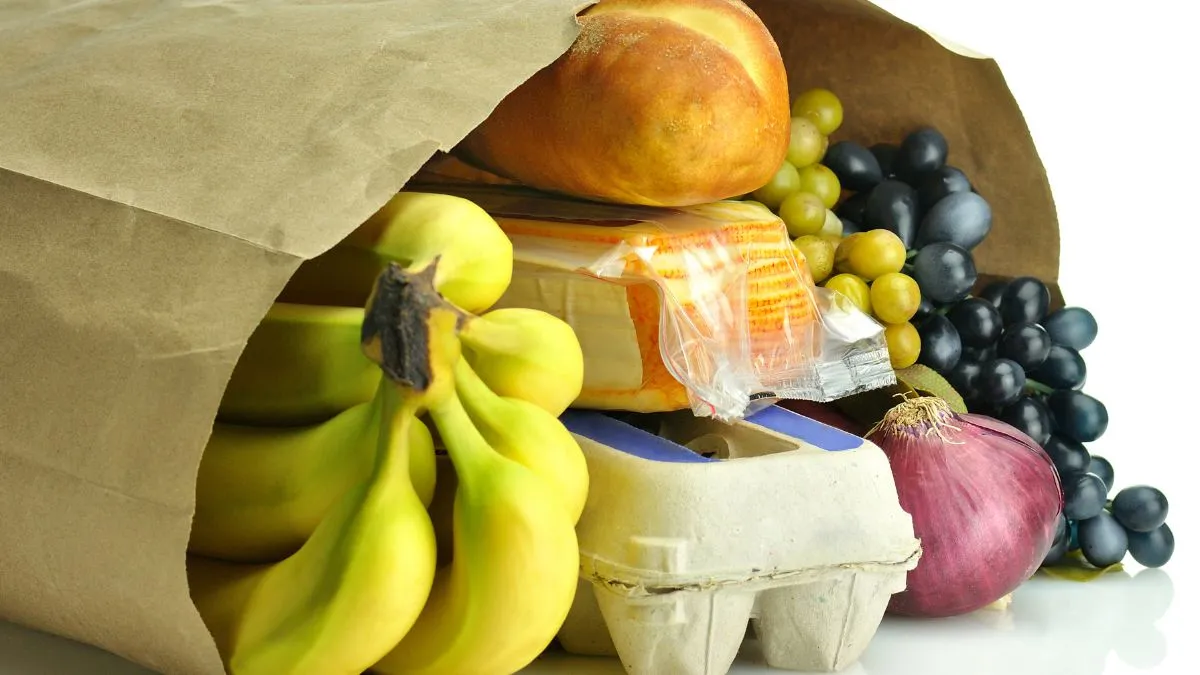

Need help with your grocery bills? Yes? Here are some proven ways to get free groceries, from government assistance programs to savvy apps.
If you’re searching for ways to get free groceries, you already know how expensive groceries have become. We have to think outside the box to balance our daily lives with inflation.
When people hear about the phrase “free groceries,” it often sounds too good to be true. The truth is, you can get free groceries.
Free groceries don’t mean you walk into a supermarket, fill your cart, and leave without paying. Instead, they come from a combination of assistance programs, community resources, rewards systems, and smart financial strategies that reduce or eliminate your grocery expenses over time.
Whether you’re looking for free food or ways to slash your grocery bills, many programs give away free groceries to low-income families and frugal shoppers.
In this guide, I’ll cover some proven ways to get free groceries beyond couponing.
Table of Contents
So, let’s get started.
Get Free Groceries: Government Assistance and Food Charity Programs
If you’re financially struggling, government assistance and food charity programs can help you with immediate food.
Here are some government assistance and local food charity programs that give you direct food assistance.
1. Supplemental Nutrition Assistance Program (SNAP)
When you’re struggling financially, SNAP is probably the biggest government assistance program for getting free groceries.
It provides eligible individuals and families with monthly benefits that can be used to purchase groceries at authorized retailers, including major supermarket chains and even some online platforms.
You can apply for this assistance program through your state’s website, and the process involves verifying your income, expenses, and household size.
If you’re approved, benefits are loaded onto an EBT card, which works like a debit card at checkout. You can use your EBT card at most grocery stores to buy:
- Fruits
- Vegetables
- Meat, Chicken, and Fish
- Dairy, Bread, and Cereal
- Seeds to grow your own food
This assistance program is designed for low-income individuals and families who are struggling financially. Therefore, only apply if you are eligible according to their program requirements.
2. Women, Infants, and Children (WIC)
WIC is another government assistance program designed for pregnant women, new mothers, infants, and children up to age five, providing access to nutritious foods, nutrition education, and healthcare referrals.
Unlike SNAP, which offers broader flexibility, WIC focuses on nutritious foods that support healthy development, such as milk, eggs, cereal, fruits, vegetables, and baby formula.
Who is eligible for this program?
- Pregnant Women
- New Moms (up to 6 months after birth)
- Breastfeeding Mother
- Babies and Kids Under 5
This program aims to make sure infants and pregnant women get nutritious food for healthy development.
You can apply for the program through:
- Local health departments
- Community clinics
- Hospitals
The process involves verifying income eligibility and nutritional risk. Most working families qualify for this program easily, especially if they’re already eligible for programs like Medicaid or SNAP.
Therefore, if you have young kids and your finances are tight, you must apply for this program.
Pro Tip: Most people think applying for programs like WIC and SNAP is intimidating, which is not true. Gather all your documents beforehand (proof of income, ID, and housing costs). It’ll make the application process smoother.
3. Double Your Food Stamps (Legally)
Do you want to double your food stamps legally? Yes? There is a program in many states that will double your money for fresh produce if you’re on SNAP or food stamps.
The program is called “Double Up Food Bucks.”
If you receive SNAP benefits, you’re automatically eligible for this program. It is operating in over 25 states at more than 900 locations, from farmers’ markets to grocery stores.
Here’s how it works: you go to a participating farmers’ market or grocery store and spend, for example, $20 from your EBT card on fruits and veggies, and they give you another $20 to spend on more fresh produce.
The easiest way to find a nearby location is to search Google for “Double Up Food Bucks [Your State]”.
4. WhyHunger Hotline
Need food right now? Reach out to the WhyHunger Hotline.
It’s a food emergency hotline that connects people in need across the U.S. to food pantries, soup kitchens, summer meal sites, government nutrition programs, and grassroots organizations that provide access to free food and support services.
You can reach them in multiple ways, such as:
- Call: (1-800-5 HUNGRY or 1-800-548-6479)
- Text: Send your ZIP code to 1-800-548-6479
- Online: Check their website to search by location
They cover the entire United States, so no matter where you are, they can match you with nearby food resources.
It’s a great option if you want immediate food resources.
5. Local Food Pantries
Local food pantries are a great source of free food. FoodPantries.com is a massive directory of food help across the United States.
It lists over 16,000 food pantries nationwide. Also, they provide listings of Soup Kitchens and Food Banks. You can search by ZIP code to find local food resources.
PantryNet.org is another website that helps you to find local food assistance. It works similarly to FoodPantries.com. All you need to do is provide your ZIP code to find available food resources.
The best advantage of food pantries is that you don’t require paperwork or income verification. They are designed to feed hungry individuals.
6. USDA National Hunger Hotline
The USDA National Hunger Hotline works like a personal food assistance navigator. It helps individuals and families seeking information on how to obtain food.
When you call them, they connect you with emergency food providers in your community, government assistance programs, and various social services.
You can get help in three ways:
By Phone:
- Call: 1-866-3-HUNGRY (1-866-348-6479)
- Hours: Monday through Friday, 8:00 a.m. – 8:00 p.m. ET
A representative will answer your call and find food resources such as meal sites, food banks, and other social services available near your location.
By Text:
- Text 914-342-7744
- Include Keywords such as “food”, “summer meals”, “SNAP”, etc
- Provide your address and/or zip code
- Receive an automated response to resources
By Address:
- Enter an address to find food assistance near you.
It’s a great way to find food resources when you’re not sure where to start finding food assistance. They work with communities and the government to locate food assistance programs.
7. Catholic Charities USA
Catholic Charities USA is an organization that provides healthy food to people at risk of hunger through food banks/pantries, after-school and summer programs, child and adult daycare centers, group dining settings, home delivery, and more.
You might think that only Catholics can get help. No, you don’t have to be a Catholic to get food assistance.
They have agencies all over the country, and many have food pantries, soup kitchens, or can connect you with other local resources.
All you have to do is visit their website and find a local agency by entering your city, state, and ZIP code. Give them a call to inquire what types of services they offer.
Even if they can’t directly help you, they may point you to the food resources you need. Therefore, it’s a great organization to locate food assistance.
8. Feeding America
As the name suggests, Feeding America is there to help people find food resources nearby. It runs the biggest network of food banks in the country.
It works with local food banks and pantries. You might not have heard about one near you, but they know about it.
You can find your local food bank by providing your ZIP code or location. They will connect you with partner food pantries and meal programs in your area.
It’s a great option for finding consistent groceries and meals without jumping through a bunch of hoops.
9. The Salvation Army
The Salvation Army runs many services across the United States, including food pantries and hunger relief. You can find the nearest location by searching on Google.
It serves in many ways, such as:
- Neighborhood Food Pantries
- Food Parcels and Fresh Boxes of Produce
- Mobile Food Pantries
Just give them a call to inquire what you can get. They are pretty accommodating and understand people’s needs.
10. Commodity Supplemental Food Program (CSFP)
The Commodity Supplemental Food Program is designed to help low-income persons age 60 or above by supplementing their diets with nutritious USDA Foods.
Requirements to qualify for the program:
- Be at least 60 years old
- Meet income guidelines (at or below 130 percent of the Federal Poverty line)
- Reside in the participating states
- Must be at nutritional risk, as determined by a physician or by local agency staff
This program isn’t available across the country. Therefore, contact your state distributing agency to see whether the program is available in your area.
What will you get? You’ll receive a monthly box of nutritious food that includes a selection of fruit, juice, vegetables, milk, cheese, grains, and protein.
If this program is available in your area and you qualify, it can help you reduce your monthly grocery bill.
11. The National School Lunch Program (NSLP)
Are your kids in school? Yes? The National School Lunch Program can help you reduce your grocery bill by feeding your kids during the school day.
This program is designed for parents earning at or below the current income eligibility guidelines. You can contact your school or district to fill out a school meal application.
If your family qualifies for the program, your kids can get free or reduced-price meals at school. It’s a great help for low-income families.
Contact your kid’s school staff to inquire whether they participate in this program and how to apply.
12. Senior Farmers Market Nutrition Program (SFMNP)
The Senior Farmers Market Nutrition Program (SFMNP) is designed to provide low-income seniors with access to locally grown fruits, vegetables, honey, and herbs.
If you’re 60 or older and your household income is at or below 185% of the federal poverty guidelines, you’re eligible for this program.
You’ll get vouchers to buy fresh fruits, vegetables, herbs, and honey directly from local farmers, farmers’ markets, and roadside stands.
Contact your state agency to inquire whether this program is operating in your area and how to apply. It’s a great way to reduce your grocery bill while supporting local farmers.
13. The Emergency Food Assistance Program (TEFAP)
The Emergency Food Assistance Program is a federal program designed to help low-income families by providing them with emergency food assistance at no cost.
They provide American-grown USDA Foods to people who need them through local food banks and pantries.
You can get food assistance in two ways:
- Getting foods from a place like a food pantry to take home or,
- Eating a meal with a group of people at a place like a soup kitchen
You need to meet income requirements to take food home. The income level depends on the state you live in because the state decides the income standards for TEFAP.
Some states automatically qualify you if you already participate in other federal, state, or local food, health, or welfare programs, like SNAP or WIC.
You don’t need to meet income requirements for meals that local organizations prepare and serve in a group setting, like a soup kitchen.
Contact your state distributing agency to see what’s available in your area and whether you qualify. This program is meant to help people struggling financially. There is no shame to participating in this program.
14. Local Churches
Many churches in the United States run food pantries to feed hungry people. Even if you are not religious, churches are happy to help those who need it.
Just search on Google “churches with food pantries” or “churches giving away free groceries.” You can call them ahead to inquire what you can get.
Saving Money & Earning Free Groceries
If you don’t need emergency food but still want to slash grocery bills, you can use some smart strategies to earn free money.
15. Get Cash Back on Purchases
Did you know that you could earn cash back on purchases online or in-store? You can use cash back apps to earn cash back on eligible purchases.
Here are some of the most popular cash back apps or sites:
These cash back apps partner with many retailers, including Amazon and Walmart. Whenever you purchase anything through these apps, you’ll earn cash back. Later, you can withdraw your earnings via cash or gift cards.
If you’re a frequent online shopper, you must shop through sites that offer cash back on purchases. You can use your cash back earnings to pay for groceries.
16. Scan Your Receipts
Don’t throw away your grocery receipts anymore. Apps like Fetch, Receipt Hog, and CoinOut reward you for scanning grocery receipts.
The best part is that you don’t have to buy specific stuff to earn points. You can redeem your points for gift cards like Amazon and Walmart.
Pro Tip: You can collect receipts from your family members or friends. Some people even grab discarded ones to turn trash into cash.
17. Join Reward Sites
Reward sites let you to earn extra money by completing online activities like watching videos, shopping online, playing games, and more.
Most reward sites work on a point system. You’ll earn points for completing a task. Later, you can redeem points for cash or gift cards.
This extra money can supplement your grocery bills. Whenever you have free time, you can work on these reward sites.
Here are some of the most popular reward sites:
- Swagbucks
- InboxDollars
- MyPoints
- Fetch Rewards
18. Become a Mystery Shopper
What if you could get paid for shopping at your favorite stores? You can become a mystery shopper for companies like BestMark, Market Force, Secret Shopper, and Ipsos.
What does a mystery shopper do? A mystery shopper hired by a retailer or market research company to shop at stores and report back on the overall experience.
For example, your task could be to visit a store to observe how the staff behave with customers or how clean the aisles are. Later, you have to report your experience in writing. In return, you’ll get paid for your time.
You must follow the instructions on how to complete the task. Otherwise, you won’t get paid by the company.
Most gigs pay $10–$25 plus groceries.
19. Food Waste Apps
Many people buy a lot of stuff in bulk at Sam’s Club. No matter how much you calculate, you can’t use everything before it goes bad.
At the end, they have to throw them away, which I really hate. Instead, people can give away or resell surplus grocery items through OLIO and Too Good To Go.
You can explore these two apps to get free or super cheap food that would otherwise get thrown in the trash.
Olio
Olio works similarly to Craigslist, but for food items. Your neighbors post stuff they no longer need or want to give away, and you can claim it for free.
People sometimes miscalculate grocery inventory. Therefore, they buy too many products that they can’t consume before they go bad.
Instead of throwing them away, they post them on Olio. You grab the offer and pick it up. There is no food waste.
Too Good To Go
Too Good To Go works differently from Olio. However, both apps help fight food waste while saving your money.
Bakeries, restaurants, and stores sell “Surprise Bags” of their leftover food items for dirt cheap. You don’t know what you’re getting. It could be a day-old pastry from a bakery or goods that are getting close to their sell-by date from a grocery store.
20. Join a Grocery Store Loyalty Program
Nowadays, big grocery store brands run a loyalty program for their customers. You can become a member of the loyalty program to enjoy perks and benefits like rewards, fuel discounts, and cashback.
Always check what your local stores offer. You never know what treasures you’re missing out on.
Here are some store loyalty programs:
All of these loyalty programs are free to join. You’ll earn discounts on products you buy anyway. You just have to make sure to use them before shopping.
21. Pick Up an Online Side Hustle (Earn $250—$500+/mo)
You can pick up an online side hustle to supplement your grocery bills. Nowadays, there are many jobs available that you can do in your spare time.
Here are some online side hustles that offer flexibility:
When you’re stressed about your grocery bills, it feels like you’re living paycheck to paycheck. When you earn extra money, that changes everything.
Tip: Starting an online side hustle not only gives you extra money, but it also empowers you financially. If you earn $200 a month on the side, it will help you cover the grocery bills.
22. Stop Food Waste
One of the biggest mistakes people make is letting food go to waste. Whenever you throw away leftover food, you are literally throwing money away.
Here are some habits that can stop food waste:
- Plan your meals before you hit the shop
- Use airtight containers to keep veggies fresh
- Freeze extra food before they go bad (soups, bread, milk, meals)
- Check your kitchen and fridge before making a grocery list
If you waste $20 worth of food each week, just cutting that waste in half saves you tons of money a year. Therefore, you can get free groceries by stopping food waste.
Tip: Before making a grocery list, always check what is in your kitchen and fridge. It will help you to know what you need and what products are about to expire.
Final Thoughts
Getting free groceries isn’t about luck or tricks—it’s about understanding the systems that work. As you can see, there are many ways to score free groceries, from government assistance programs to smart strategies.
If you need food right now, call the WhyHunger Hotline immediately or go to your local food bank. These programs exist because people need help.
If you want to supplement your grocery bill, you can use some of the smart strategies mentioned above. Maybe use cash back apps or sign up for store loyalty programs. Small steps can lead you to big savings.
What do you think about getting free groceries? Let me know in the comments.
Recommended Articles:
- Smart Shopping Hacks: 17 Tricks You Need To Know
- 14 Best Price Comparison Tools for Shopping (Free+Paid)
- Top 8 PINCHme Alternatives: Free Sample Sites
- 39 Grocery Stores That Cash Checks (Personal to Insurance)
- Walmart Hacks: 12 Genius Ways to Save Big and Shop Smarter
- Amazon Hacks: 20 Smart Ways to Save Money While Shopping